Plan your trip · Hub guide
Los Angeles Visitors Guide: Plan Your Trip Step by Step
Los Angeles is huge, spread out and easier to enjoy with a plan. This guide takes you through the big decisions in order: when to come, how long to stay, which part of the city to sleep in, how to get around, and what to see and eat once you are here.
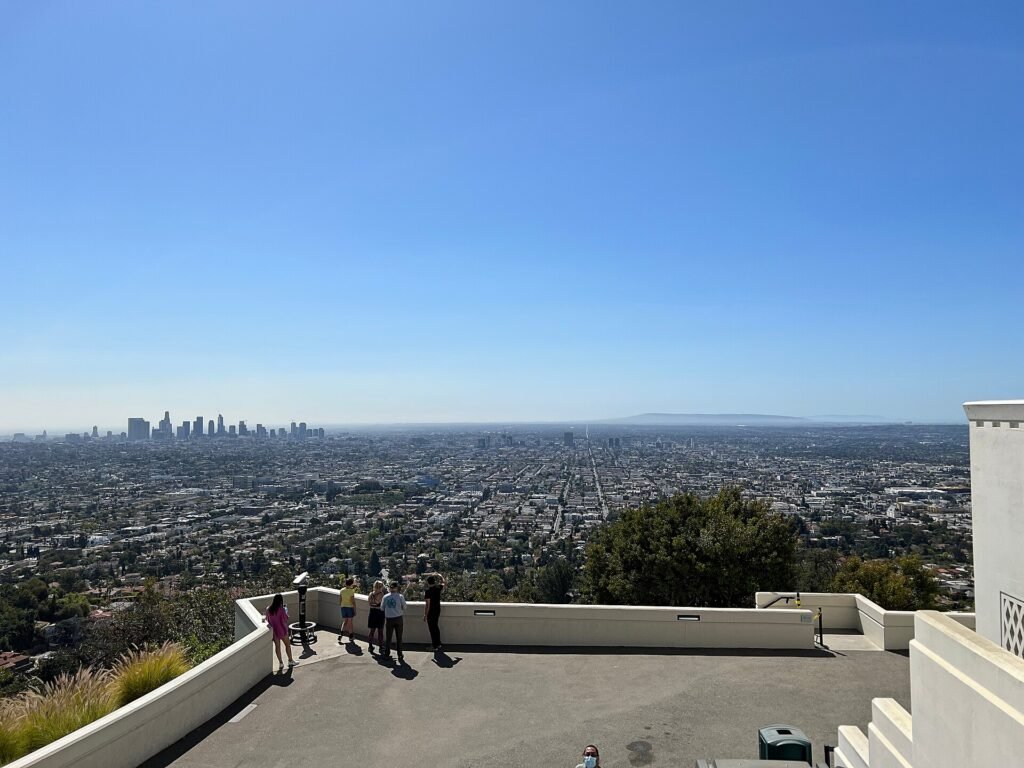
Los Angeles trip planning at a glance
- Ideal trip length 4 to 6 days for the main sights; a week if you add beaches or a theme park
- Best months Spring and fall, when it is warm without the summer crowds
- Main airport Los Angeles International (LAX), plus Burbank, Long Beach, Ontario and Orange County
- Best first-time bases Santa Monica, Hollywood, West Hollywood or Downtown
- Metro fare $1.75 per ride, with a $5 daily cap on TAP or contactless cards
- Car needed? Helpful, though you can manage by Metro if you stay near a rail line
In this guide
- Step 1: Decide when to visit
- Step 2: Choose how long to stay
- Step 3: Pick where to stay
- Step 4: Plan your transportation
- Step 5: Build your sightseeing list
- Step 6: Plan your food
- Step 7: Check events
- Sample itineraries
- Tips for first-time visitors
- Accessibility tips
- Budgeting your trip
- Safety tips
- Day trips from Los Angeles
- What to pack
- Final planning checklist
- Frequently asked questions
- More guides
This visitors guide is the starting point for planning a trip to Los Angeles. The city covers a lot of ground, and the distance between, say, Malibu and Pasadena is bigger than most first-time visitors expect. Plan your days by area and you will spend more time at the beach or in a museum and less time in traffic.
Each step links to a deeper guide on this site. Good places to begin are our hubs for Los Angeles attractions, where to stay in Los Angeles and getting around Los Angeles. For official visitor information, see Discover Los Angeles.
Step 1: Decide when to visit
Los Angeles works in every season, though each one has its own trade-offs.
Spring (March to May)
Mild days, green hillsides after the winter rain and fewer crowds than summer. May mornings on the coast are often gray.
Summer (June to August)
The busiest season. Early summer brings June Gloom to the beaches, and inland valleys get hot by July and August. The Hollywood Bowl season runs June through September.
Fall (September to November)
Some of the warmest beach weather of the year and thinner crowds after Labor Day. This is also when dry Santa Ana winds can raise fire risk.
Winter (December to February)
The rainy season, with cool nights, holiday lights and the Rose Parade on New Year’s Day. Hotel rates are often lower outside the holidays.
For month-by-month temperatures and rainfall, read our Los Angeles weather by month guide.
Step 2: Choose how long to stay
Four days is enough for a first look: one day for Hollywood and Griffith Park, one for the beach towns, one for Downtown and its museums, and one for the Getty or a neighborhood you want to explore. With six or seven days you can add a theme park, a Malibu drive or a day trip.
If you only have a weekend, pick one or two areas and stay close to them. Trying to see the whole city in two days mostly means sitting on the freeway.
Step 3: Pick where to stay
Where you sleep shapes the whole trip in Los Angeles. Santa Monica is the easy beach base, with a walkable downtown, the pier and the Metro E Line to Downtown. Hollywood puts you near the Walk of Fame and the B Line subway. West Hollywood is central for dining and nightlife. Downtown has the most transit connections, plus Union Station, the Arts District and Little Tokyo.
Families heading to Disneyland often split the stay and spend a night or two in Anaheim. Compare areas in our guide to where to stay in Los Angeles.
Step 4: Plan your transportation
Most visitors arrive at LAX. A free Metro Connector shuttle runs from the pink “LAX Shuttle” signs on the arrivals level to the LAX/Metro Transit Center, where you can catch the C and K Lines. Taxis and rideshare pickups are at LAX-it, reached by shuttle from the green LAX-it signs. The FlyAway bus runs to Union Station and Van Nuys for $12.75 one way, paid by card or app.
In the city, Metro rail and buses cost $1.75 per ride with free transfers within two hours on TAP or a contactless card, and fares cap at $5 a day. A car is still the easiest way to reach Malibu, the canyons and some theme parks. Our guide to getting around Los Angeles covers Metro lines, driving and parking.
Step 5: Build your sightseeing list
These are the sights most first-time visitors put on the list. Group them by area so each day stays in one part of town.
Griffith Observatory and Griffith Park
The observatory has the best-known view of the Hollywood Sign and the downtown skyline. Entry to the building, grounds and public telescopes is free; planetarium shows and parking cost extra. It is closed Mondays. See the Griffith Observatory site for hours.
Hollywood
Walk the Walk of Fame, see the handprints at the TCL Chinese Theatre and look up at the Hollywood Sign. The B Line stops at Hollywood/Highland, so you can skip parking.
The Getty Center and Getty Villa
The Getty Center has art, gardens and views across the basin. Admission is free with a timed reservation, it is closed Mondays and parking is paid. The Getty Villa in Pacific Palisades reopened in June 2025 and is closed Tuesdays. Book through the Getty.
Santa Monica and Venice
The Santa Monica Pier, the beach bike path and the Venice Boardwalk make an easy day on foot or by bike. Our Los Angeles beaches guide covers the coast from Malibu to Long Beach.
Downtown museums
The Broad has free general admission, with reservations recommended, and is closed Mondays. Walt Disney Concert Hall, Grand Central Market and Little Tokyo are all nearby.
Museum Row on Wilshire
LACMA, the La Brea Tar Pits and the Academy Museum sit close together. LACMA’s David Geffen Galleries opened in May 2026 and are included with general admission. The Metro D Line extension, which opened in May 2026, stops at Wilshire/Fairfax.
The full list, with free options and tips, is in our Los Angeles attractions hub.
Step 6: Plan your food
Eating well is one of the best reasons to visit. Plan at least one taco crawl, a Koreatown barbecue dinner and a stop at Grand Central Market. On Sundays, Smorgasburg LA runs from 10am to 4pm at ROW DTLA, and the Hollywood Farmers Market runs 8am to 1pm at Ivar and Selma.
Popular restaurants book up on weekends, so reserve ahead where you can. Our best restaurants in Los Angeles guide is organized by cuisine and neighborhood.
Step 7: Check events
Something is always on in Los Angeles. Before you travel, check our Los Angeles events calendar for parades, festivals, holiday lights and concerts on your dates. Big events like the Rose Parade on January 1 and the LA Marathon in March affect road closures and hotel prices, so it pays to know about them early.
Sample itineraries
These plans keep each day in one area. Adjust them to where you are staying.
| Trip | Day plan |
|---|---|
| Weekend | Day 1: Griffith Observatory, Hollywood and dinner in Los Feliz. Day 2: Santa Monica Pier, Venice and sunset at the beach. |
| Four days | Add Downtown museums and Little Tokyo on day 3, and the Getty Center plus Museum Row on day 4. |
| One week | Add a theme park day, a Malibu drive along PCH and a free day for a neighborhood you liked. |
| With kids | See our family vacation Los Angeles guide for paced days and rest breaks. |
Tips for first-time visitors
First-timer tips
- Think in areas. Group sights by neighborhood, since crossing the city at rush hour can take far longer than the map suggests.
- Book timed entries early. The Getty Center, Getty Villa and The Broad use reservations, and weekend slots go first.
- Check closures before you go. Several trails and parks in the Santa Monica Mountains and around Altadena are still closed or partly closed after the January 2025 fires.
- Watch the weather alerts. Santa Monica Mountains parks now close together during Red Flag Warnings.
- Leave room for downtime. A slow afternoon at the beach or in a park is part of the LA experience.
Accessibility tips
Metro rail stations have elevators, and Metro buses kneel and have ramps. Many museums, including the Getty Center and LACMA, list accessibility services on their visit pages. Call ahead or check the official site of each attraction for wheelchair loans, quiet hours and accessible parking. Some beaches have mats or beach wheelchairs; ask the LA County Department of Beaches and Harbors about current options.
Budgeting your trip
Hotels and parking are the biggest costs. You can save by staying near a Metro line and using the $5 daily fare cap or the $18 seven-day cap. Many top sights cost nothing: the Getty Center, Griffith Observatory grounds, The Broad’s general admission, the beaches and most hiking trails. Our Los Angeles attractions hub has a list of free things to do.
Safety tips
Los Angeles is like any big city: most visits go smoothly, and a few habits help. Keep valuables out of sight in parked cars, stay aware on crowded boardwalks and at busy Metro stations, and stick to well-lit streets at night. On hikes, carry water and leave before the midday heat. During wildfire season, check Ready LA County for alerts.
Day trips from Los Angeles
Pasadena, Long Beach and Malibu are easy half-day trips. Farther out, many visitors drive to Santa Barbara, Palm Springs, Joshua Tree or Big Bear, or take a ferry to Catalina Island. San Diego is a popular add-on to the south; see our sister site San Diego Updates if you plan to combine the two.
What to pack
Pack layers. Coastal mornings can be cool and gray even when inland valleys are hot by lunchtime. Bring sunscreen, a hat and comfortable walking shoes. Winter visitors need a light rain jacket, and anyone planning hikes should bring a refillable water bottle.
Final planning checklist
- Book your hotel in the area that fits your plans.
- Reserve timed entries for the Getty, The Broad and any theme parks.
- Load a TAP card or set up contactless payment for Metro.
- Check the events calendar and road closures for your dates.
- Check trail and park status if you plan to hike.
Frequently asked questions
How many days do you need in Los Angeles?
Four to six days covers the main sights without rushing. Add a day for each theme park and another if you want to drive the Malibu coast.
What is the best time to visit Los Angeles?
Spring and fall usually bring warm, clear days and fewer crowds. Summer is busier, and early summer mornings near the beach are often gray.
Do you need a car in Los Angeles?
Not always. If you stay near a Metro rail line in Santa Monica, Hollywood or Downtown, you can reach many sights by train and bus. A car helps for Malibu, the canyons and some theme parks.
Where should first-time visitors stay in Los Angeles?
Santa Monica, Hollywood, West Hollywood and Downtown are the most popular first-time bases. Pick the one closest to what you most want to do.
How do I get from LAX to my hotel?
Take the free Metro Connector shuttle to the LAX/Metro Transit Center for trains, the FlyAway bus to Union Station or Van Nuys, or a taxi or rideshare from LAX-it.
Is Los Angeles expensive to visit?
Hotels and parking can be pricey, though many top attractions are free and the Metro daily cap keeps transit costs at $5 a day.
More guides
- Attractions and things to do
- Events calendar
- Where to stay
- Restaurants and food
- Nightlife
- Neighborhoods
- Getting around
- Weather by month
- Outdoor activities
- Beaches
- Theme parks
- Family vacation
- Living in Los Angeles
- All Travel Planning posts