
Living · Hub guide
Living in Los Angeles: Neighborhoods, Costs and Moving Tips
Moving to Los Angeles means choosing a neighborhood as much as a city. This guide covers how to pick an area, what drives costs, how people get around and what new residents should set up early, from earthquake alerts to wildfire plans.

Living in Los Angeles at a glance
- Biggest decision Where you live relative to work, since commutes shape daily life
- Biggest cost Housing, followed by transportation
- Transit Metro rail and buses, with $5 daily and $18 seven-day fare caps
- Climate Mild, dry summers and a short rainy season in winter
- Hazards to prepare for Earthquakes and wildfires
- Official city info lacity.gov and LA County’s Ready LA County site
In this guide
Los Angeles is a region of many cities and neighborhoods, and life in Santa Monica feels very different from life in Pasadena or the San Fernando Valley. Most residents choose where to live based on work, school and how long they are willing to commute.
This page is a starting point. Browse our Living in Los Angeles category for newer posts and the Los Angeles neighborhood guide for area profiles.
Choosing a neighborhood
Westside
Santa Monica, Culver City, Mar Vista and nearby areas. Cooler weather and beach access, with higher housing costs.
Central LA
Koreatown, Mid-Wilshire, Hollywood and Los Feliz. Dense, near transit and full of restaurants.
Eastside
Silver Lake, Echo Park, Highland Park and Eagle Rock. Neighborhood bars, hills and an artsy feel.
San Fernando Valley
Studio City, Sherman Oaks, Burbank and beyond. More space, warmer summers and many families.
San Gabriel Valley
Pasadena, Alhambra and nearby cities. Strong food scene and access to the mountains.
South Bay and Long Beach
Beach towns, the port and a more relaxed pace.
Visit at different times of day before signing a lease. Drive or ride your commute during rush hour to see what it is really like.
Housing and cost of living
Housing is the biggest expense for most residents, and costs vary widely by neighborhood. The City of Los Angeles has rent stabilization rules that cover many older apartment buildings. The Los Angeles Housing Department explains tenant rights and which units are covered. If you live in another city, such as Santa Monica or West Hollywood, check that city’s own rules.
Beyond rent, budget for car costs, parking, utilities and renter’s insurance. Many apartments do not include a refrigerator or have limited parking, so ask before you sign.
Getting around as a resident
Many residents drive, but more people now combine Metro with biking, walking and rideshare. Living near a rail line makes a big difference. The D Line subway reached Wilshire/La Cienega in May 2026, with Beverly Hills, Century City and Westwood sections planned for 2027. See getting around Los Angeles for fares and lines.
If you bring a car from out of state, the California DMV requires you to register it and get a California driver’s license within set time frames after you become a resident. Check the California DMV for the current rules.
Weather and seasons
Los Angeles has warm, dry summers and mild winters, with most rain falling from November through March. The coast is cooler than inland valleys, which can be much hotter in summer. Our weather by month guide has NOAA averages for Downtown and LAX.
Earthquake and wildfire readiness
Set these up early
- Sign up for alerts. Register for emergency alerts through Ready LA County and your city.
- Get earthquake warnings on your phone. California’s MyShake app and phone alerts can give a few seconds of warning.
- Know your evacuation zone. Check your zone and routes before fire season.
- Build a kit. Keep water, food, medications, a flashlight and copies of documents ready to go.
- Secure heavy furniture. Strap tall shelves and water heaters to the wall.
- Check your insurance. Renter’s and home policies often exclude earthquake damage, so ask about it.
Schools and families
The Los Angeles Unified School District serves most of the City of Los Angeles, while many nearby cities have their own districts. Charter and magnet schools are common, and magnet applications have set deadlines each year. Research schools early if you are moving with children. See our family guide for weekend ideas.
Work and daily life
Los Angeles has a broad economy, including entertainment, the ports, health care, education, tech, fashion and tourism. Many people work in one city and live in another, so commute times matter. On weekends, residents head to the beach, hike the canyons, visit farmers markets and explore food in neighborhoods across the region.
Moving checklist
| Task | Where to start |
|---|---|
| Register a car and get a license | California DMV |
| Sign up for emergency alerts | Ready LA County |
| Set up trash, water and power | Your city or utility provider |
| Find tenant rights info | Los Angeles Housing Department (City of LA) |
| Get a library card | Los Angeles Public Library or your city library |
| Learn the parking rules | Street signs on your block |
Ways to get settled
Join a neighborhood council meeting, visit a local farmers market or get a library card; the Los Angeles Public Library offers classes, events and digital services. Many neighborhoods also have active community groups and park programs. For local news and events, follow our news category.
Touring and applying for a rental
Have a photo ID, proof of income and a couple of references ready before you tour. Many buildings also run a credit check. Walk the unit in daylight, test the taps and ask what is included: water, power, a refrigerator, and whether parking is a separate fee. If you are moving from out of town, give yourself several days to tour and compare more than one neighborhood. In a hillside or older building, ask about laundry and how trash pickup works.
If a listing asks for money before you have seen the unit and a written agreement, pause. Confirm the building and the landlord. For tenant information in the City of Los Angeles, use the Housing Department site. In Santa Monica, West Hollywood or another separate city, use that city’s housing office instead.
Latest living in Los Angeles guides

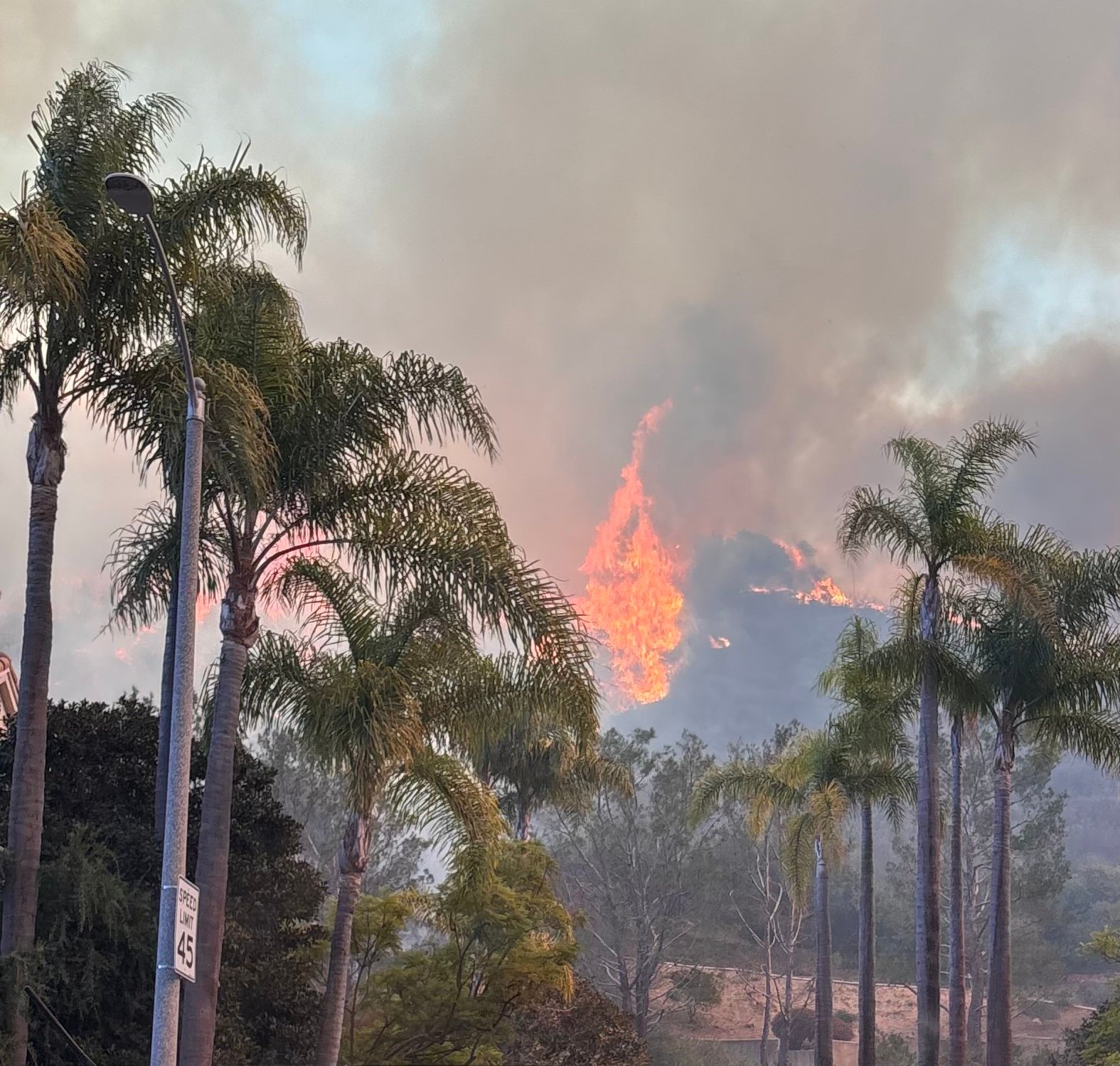
Wildfire Season in Los Angeles: Air Quality, Alerts and Travel Tips
Wildfire risk in Los Angeles is highest from late summer through fall, when hot, dry Santa Ana winds blow, but fires can start in any month, as the January 2025 fires showed. Before and during your trip, check air quality on AirNow, sign up for local emergency alerts and watch for red flag warnings, which…

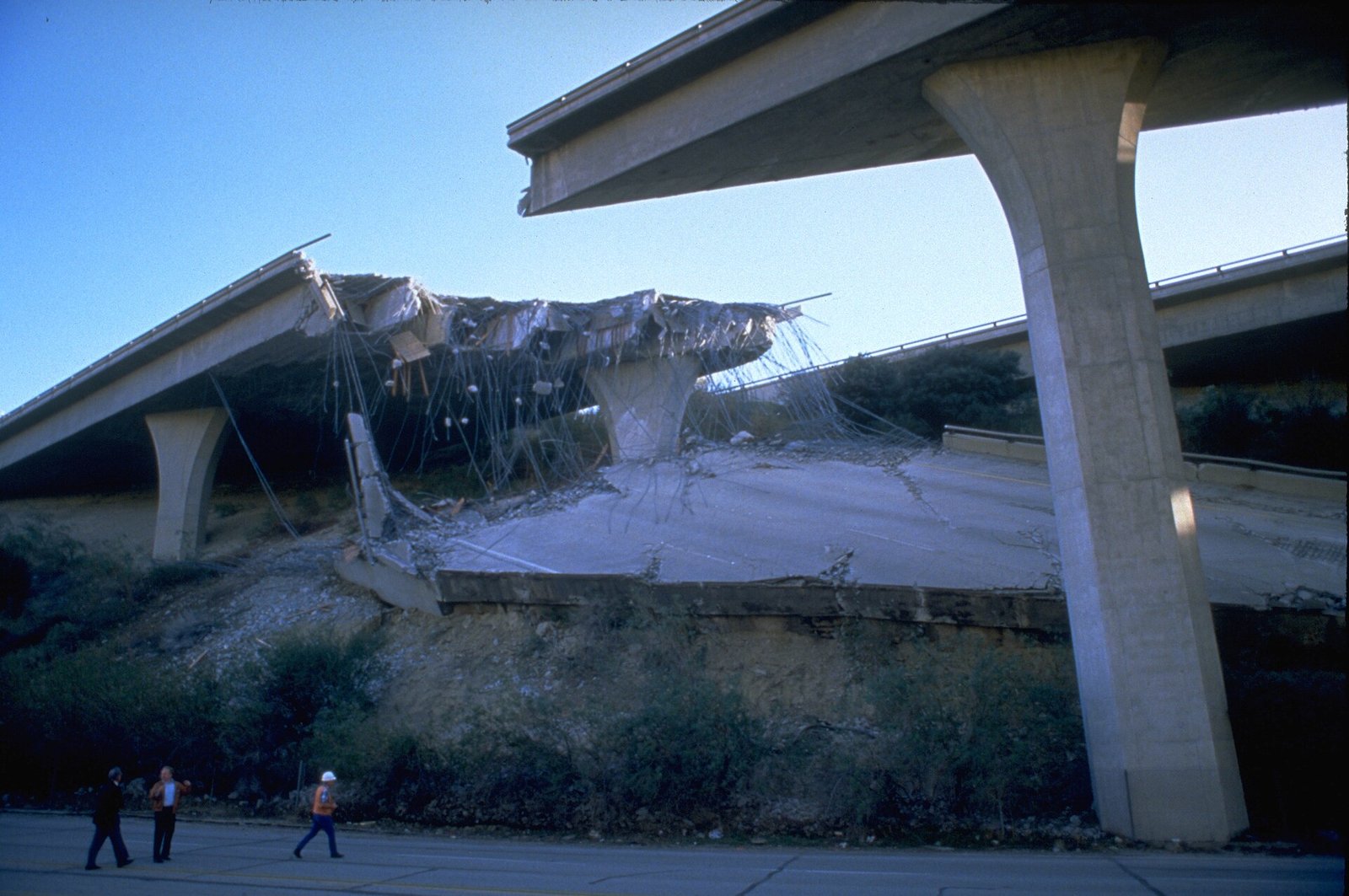
Earthquake Safety in Los Angeles: What Visitors and Residents Should Know
Earthquakes can happen in Los Angeles at any time, and the best thing to do when you feel shaking or get an alert is Drop, Cover and Hold On. Download the free MyShake app or turn on alerts on your phone, which can give you a few seconds of warning before strong shaking arrives. With…
Frequently asked questions
What is it like living in Los Angeles?
Daily life depends on your neighborhood and commute. Many residents enjoy the weather, food and outdoors, and plan around traffic and housing costs.
What are the best neighborhoods to live in Los Angeles?
It depends on your work and lifestyle. The Westside suits beach lovers, central LA suits people who want transit and nightlife, and the Valleys offer more space.
Do I need a car to live in Los Angeles?
Not always. Living near a Metro rail line makes car-free life possible for some, though many residents still drive.
How do I prepare for earthquakes in Los Angeles?
Sign up for alerts, install the MyShake app, secure heavy furniture and keep an emergency kit at home.
Is rent controlled in Los Angeles?
Many older apartments in the City of Los Angeles fall under rent stabilization rules. Check the Los Angeles Housing Department for details.
More guides
- Visitors guide
- Attractions and things to do
- Events calendar
- Where to stay
- Restaurants and food
- Nightlife
- Neighborhoods
- Getting around
- Weather by month
- Outdoor activities
- Beaches
- Theme parks
- Family vacation
- All Living in Los Angeles posts
Photo credits
Featured image: Camiloarenivar / Wikimedia Commons, CC BY-SA 4.0