
Earthquakes can happen in Los Angeles at any time, and the best thing to do when you feel shaking or get an alert is Drop, Cover and Hold On. Download the free MyShake app or turn on alerts on your phone, which can give you a few seconds of warning before strong shaking arrives. With a little preparation, visitors and residents can handle a quake safely, and most earthquakes in LA are small ones that people barely notice.
Why earthquakes matter in LA
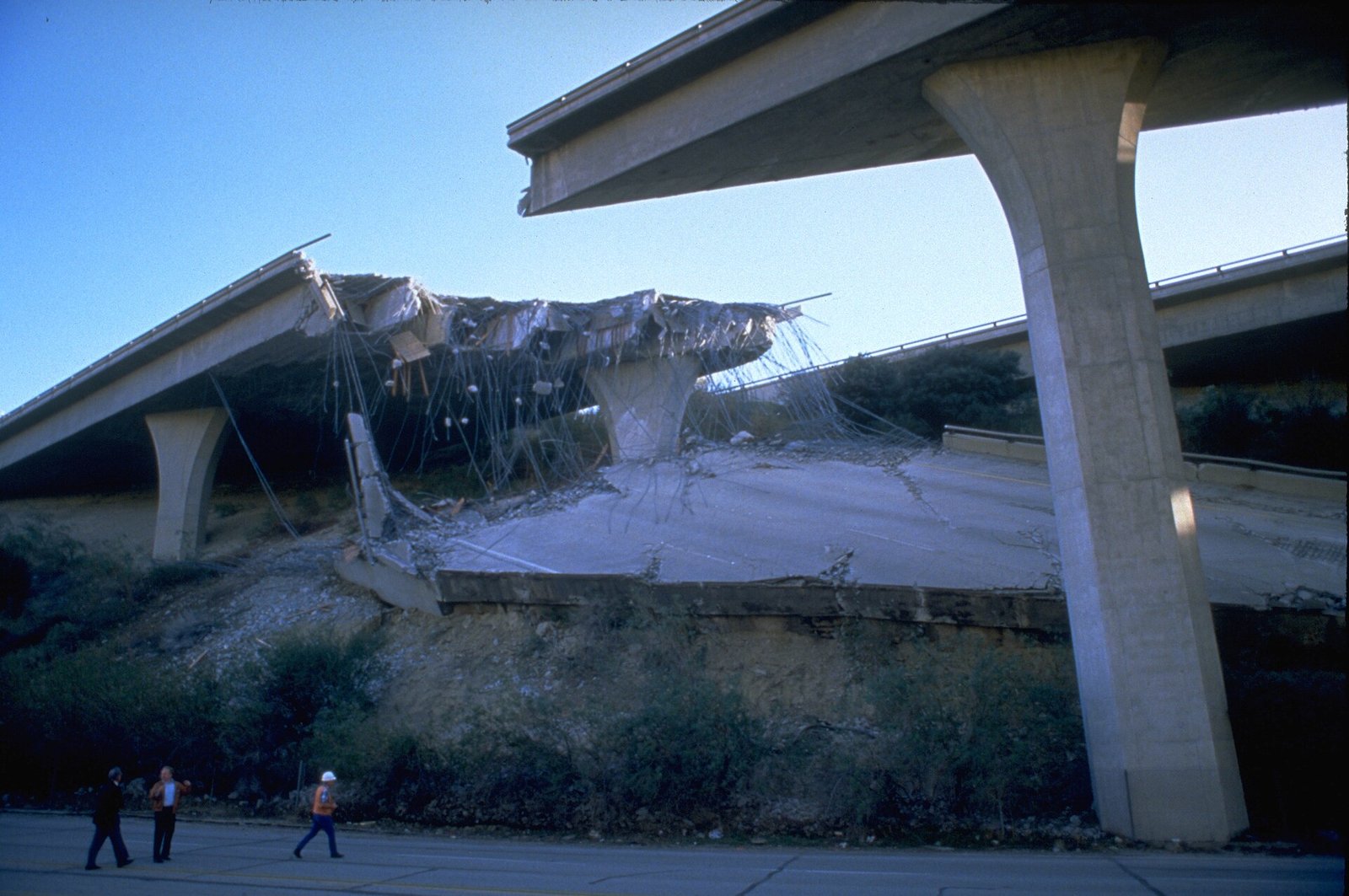
Southern California sits along the boundary between two tectonic plates, with the San Andreas Fault and many smaller faults running through the region. Small earthquakes happen often, and most cause no damage. Larger ones are rare but possible, which is why state and local agencies encourage everyone to prepare.
You do not need to worry about earthquakes to enjoy LA. You just need to know what to do.
Drop, Cover and Hold On
The Earthquake Country Alliance, along with federal, state and local emergency agencies, recommends these steps in most situations when you feel shaking or get an alert:
- Drop where you are onto your hands and knees. This keeps you from being knocked down.
- Cover your head and neck with one arm and hand. If a sturdy table or desk is nearby, crawl under it. If not, get next to an interior wall, away from windows.
- Hold On until the shaking stops. If you are under a table, hold on to it and be ready to move with it.
What not to do
- Do not run outside during shaking. Glass and building materials can fall.
- Do not stand in a doorway. The alliance calls this out-of-date advice, since doorways are not stronger than other parts of a building and do not protect you from falling objects.
- Do not use elevators during or right after an earthquake.
If you use a wheelchair, walker or cane
The alliance’s guidance for people with mobility needs: lock your wheels if applicable, get as low as you safely can, bend over and cover your head and neck with your arms, a book or a pillow, then hold on until the shaking stops. If you use a cane, you can sit in a chair or on a bed and cover your head and neck.
Getting earthquake alerts
California’s earthquake early warning system can send alerts to your phone seconds before strong shaking arrives. According to Earthquake Warning California, you can get alerts three ways:
- MyShake app: Free for iPhone and Android. It sends warnings for earthquakes of magnitude 4.5 or higher where at least weak shaking is expected. The app also shows smaller quakes starting at magnitude 2.5.
- Android Earthquake Alerts: Built into many Android phones in California, with no app needed.
- Wireless Emergency Alerts: Text-style alerts sent to compatible phones during emergencies.
Set your phone’s location services to “always on” for MyShake, so it can send alerts for where you are. The state notes that how much warning you get depends on how far you are from the earthquake. People very close to it may get the alert as shaking starts or after.
Many of the same alert apps also send fire warnings, which we cover in wildfire season in Los Angeles.
What to do in different places
The Earthquake Country Alliance gives these tips for common settings:
In a hotel room or in bed
Stay in bed. Lie face down and cover your head and neck with a pillow until the shaking stops. You are less likely to be hurt by broken objects if you stay put.
In a tall building
Drop, Cover and Hold On, away from windows. Do not use elevators, and do not be surprised if fire alarms or sprinklers go off.
In a stadium or theater
Drop to the ground in front of your seat or lean over, cover your head and hold on to your neck. When the shaking stops, walk out slowly and watch for falling objects during aftershocks.
In a store
Drop, Cover and Hold On. Get next to a shopping cart, under clothing racks or on the bottom shelf of a large shelving unit for extra protection.
Outdoors
Move to an open area if you can do so safely, away from buildings, trees, power lines and signs. Then Drop, Cover and Hold On.
Driving
Pull over, stop and set the parking brake, avoiding overpasses, bridges and power lines. Stay in the car until the shaking stops, then drive carefully.
At the beach
Protect yourself during the shaking. Then, as soon as you can stand, walk quickly to high ground or inland, because a tsunami could arrive within minutes. Do not wait for an official warning. LA has many beaches, so this one is worth remembering.
After an earthquake
- Expect aftershocks. Be ready to Drop, Cover and Hold On again.
- Check yourself and others for injuries.
- Watch for hazards such as broken glass, fallen objects and gas leaks.
- Follow official updates from local officials and news sources.
- Use text messages instead of calls when networks are busy.
- Stay off the roads if you can, so emergency crews can get through.
If you plan to rely on transit after a quake, our guide to LA without a car explains how Metro and buses connect.
Simple prep for visitors
You do not need to pack a survival kit for a vacation, but a few easy steps help:
- Download MyShake or turn on alerts before your trip.
- Know the exits in your hotel.
- Keep shoes and a flashlight or phone light near your bed.
- Keep your phone charged, and carry a small battery pack.
- Save important numbers and share your plans with family.
- Carry water and snacks when out for the day.
If you are driving after a quake, our LA driving tips explain freeway names so you can follow traffic alerts.
Simple prep for residents
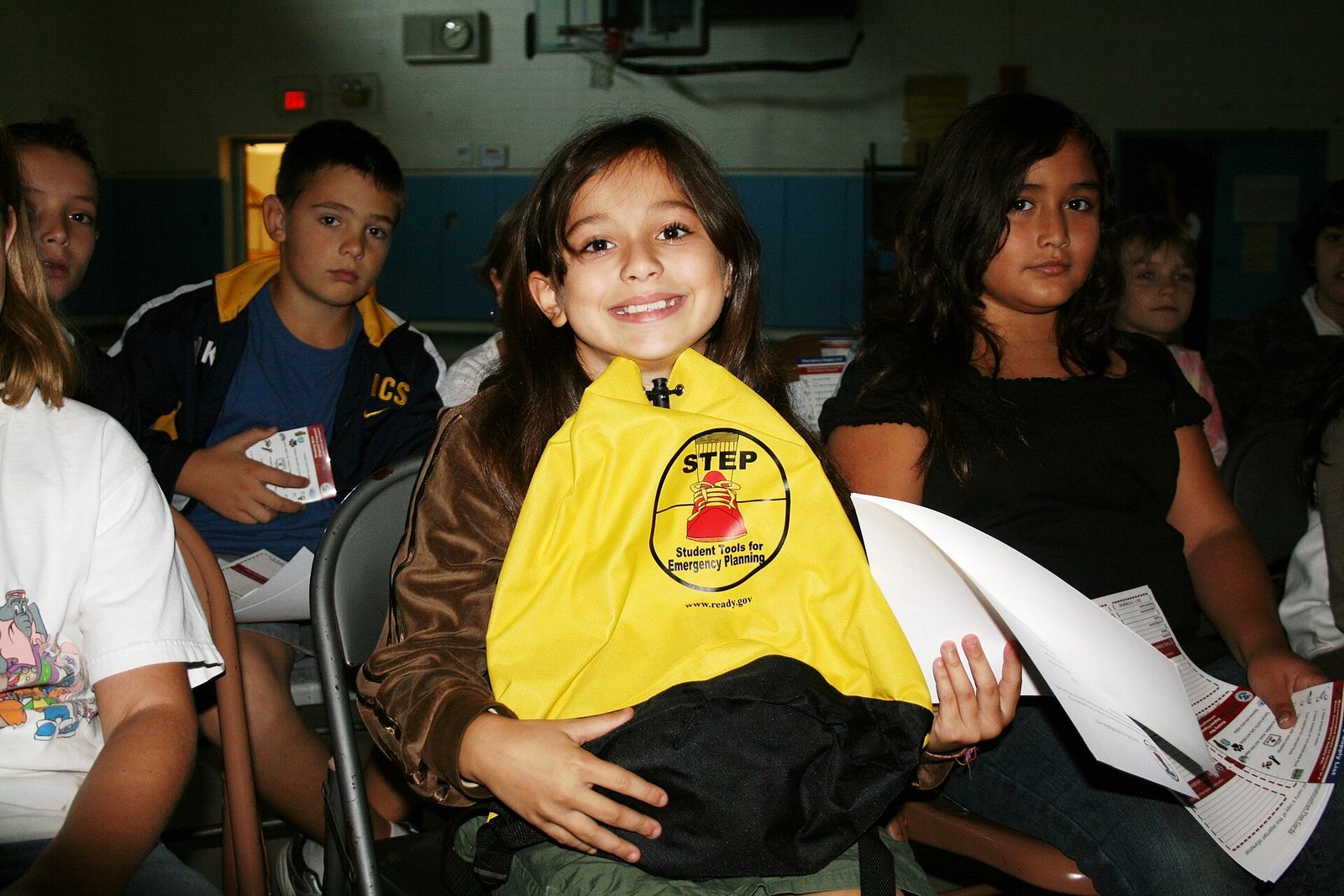
The Earthquake Country Alliance lays out seven steps for earthquake safety. A few key ones:
- Secure heavy furniture and TVs to walls.
- Make a family plan, including where to meet.
- Build a kit with water, food, medicine, a flashlight, a radio and first aid supplies.
- Know how to shut off gas if you smell a leak.
- Check your home for structural weaknesses and look into retrofitting.
- Consider earthquake insurance, which standard homeowners policies usually do not cover.
Our Living in Los Angeles page covers other basics for new residents.
Local alert systems
Besides earthquake alerts, LA has local emergency notification systems. The City of Los Angeles runs NotifyLA, and LA County runs Alert LA County. Signing up gets you alerts for emergencies such as wildfires, evacuations and severe weather where you live or are staying.
Practice with the Great ShakeOut
The Great ShakeOut (shakeout.org) is an annual earthquake drill where millions of people practice Drop, Cover and Hold On at the same time, usually in October. It takes about a minute and is free. Schools, businesses and families all take part.
Should earthquakes affect when you visit?
No. Earthquakes are not seasonal and cannot be predicted. Plan your trip around weather, events and crowds instead. Our best time to visit Los Angeles guide can help.
FAQ
What should I do if an earthquake hits while I am in LA?
Drop, Cover and Hold On until the shaking stops. Stay away from windows and do not run outside during shaking.
How do I get earthquake alerts in Los Angeles?
Download the free MyShake app, use Android Earthquake Alerts or make sure Wireless Emergency Alerts are on.
Is it safe to visit Los Angeles because of earthquakes?
Millions of people visit every year. Most earthquakes are small, and knowing what to do keeps you safe.
Should I stand in a doorway during an earthquake?
No. Experts say doorways do not protect you. Drop, Cover and Hold On instead.
What should I do if I am at the beach during a strong earthquake?
Protect yourself during the shaking, then walk to high ground or inland right away in case of a tsunami.