You can go whale watching from Los Angeles year-round, but the species change with the seasons. Gray whales pass the coast from about December through April, with January through March the peak of their migration, and blue whales usually show up from about May through November, with the best chances in summer, according to local tour operator Harbor Breeze Cruises. Tours leave from San Pedro, Long Beach, Marina del Rey and the South Bay harbors and usually last two to three hours. Dolphins are common on most trips.
Whale seasons off Los Angeles
Gray whales: winter and spring
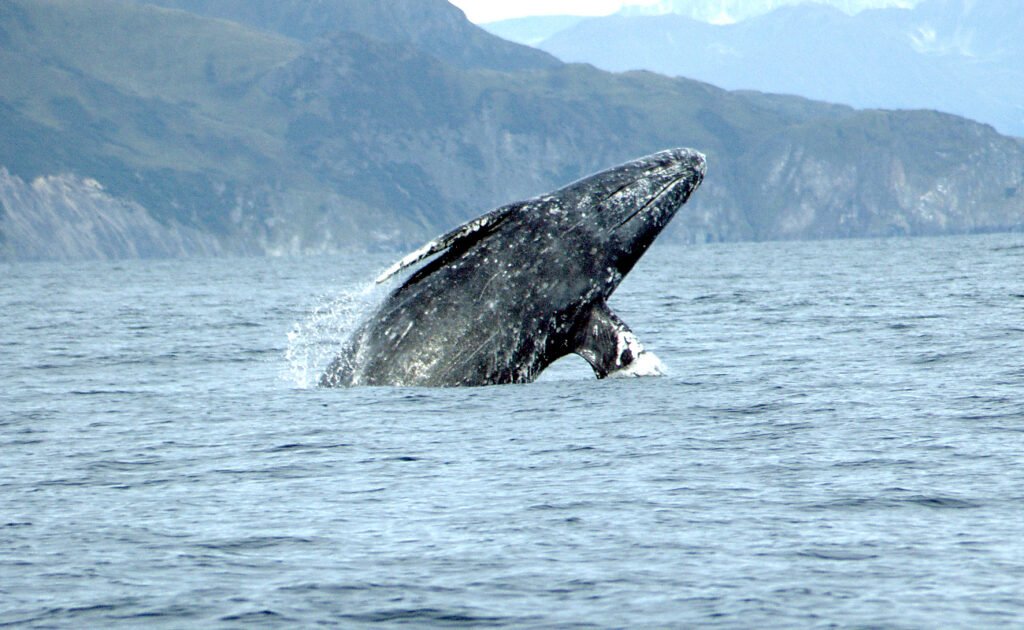
Gray whales migrate between feeding grounds in the Arctic and calving lagoons in Baja California, Mexico. Each winter they head south along the California coast, and in spring they return north, often with calves.
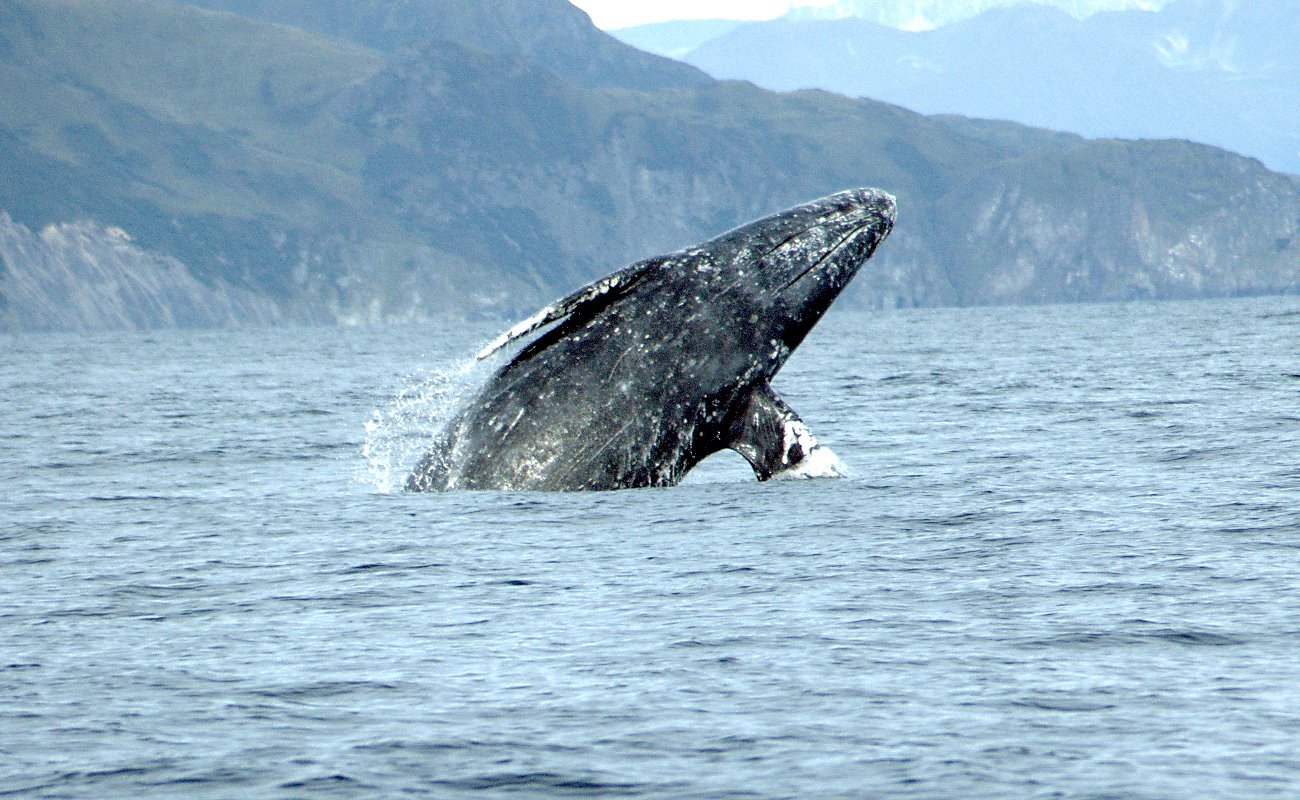
Harbor Breeze’s month-by-month guide lists December through April as gray whale season, with January through March as the strongest window. This is the classic whale watching season in Southern California.
Blue whales: summer and fall
Blue whales, the largest animals on Earth, feed off Southern California in summer and fall. The same operator lists blue whales from about May through November, with June through September giving the best odds.

Other species
Depending on the season and the day, you might also see:
- Common and bottlenose dolphins, which are seen on many trips all year.
- Humpback whales, especially in spring and summer.
- Fin whales and minke whales.
- Sea lions and harbor seals near harbors and buoys.
- Orcas, which are rare but sometimes spotted.

Sightings are never guaranteed. Many operators offer a pass to come back another day if you do not see whales, so ask about their policy when you book.
Where tours leave from
San Pedro and Long Beach
San Pedro and Long Beach sit next to the Port of Los Angeles and the Port of Long Beach. Harbor Breeze Cruises lists its Los Angeles whale watching tours leaving from West Harbor in San Pedro, at 550 South Harbor Boulevard. Other operators sail from Long Beach’s Rainbow Harbor.
Long Beach is easy to reach on the Metro A Line, and the waterfront has plenty to do before or after a cruise, including the Aquarium of the Pacific.
Marina del Rey
Marina del Rey, near Venice, is the closest harbor to the Westside. Marina del Rey Sportfishing offers nature cruises from Dock 52, and private charter companies also run trips from the marina.
Redondo Beach
King Harbor in Redondo Beach has some operators running whale watching and harbor cruises, especially in gray whale season.
Dana Point and beyond
South of LA in Orange County, Dana Point is well known for whale watching too, if you are heading that way.
Two of the harbors have their own guides here: Long Beach and the Redondo Beach Pier.
What tours include
Most public whale watching trips from the LA area:
- Last about 2 to 3 hours.
- Have a naturalist or crew member who points out wildlife and explains what you are seeing.
- Include indoor and outdoor seating, with a snack bar on bigger boats.
- Offer a sighting guarantee or rain check on some trips. Check the details when you book.
Prices vary by operator, boat size, day of the week and season. Check each operator’s website for current prices and discounts for kids and seniors. Private charters cost more but give you more control over timing and route.
Booking tips
- Book ahead on weekends and holidays. Winter weekends in peak gray whale season and summer weekends fill up first.
- Check the weather and sea forecast the day before. Operators may cancel trips in rough seas, and most will rebook or refund you when they do.
- Arrive early. Parking near harbors can take time, especially in San Pedro and Long Beach on busy days. Give yourself at least 30 minutes to park and check in.
- Ask about accessibility. Some boats have ramps and accessible restrooms, while smaller boats may not. Call the operator if you or someone in your group uses a wheelchair or has trouble with stairs.
- Read the cancellation policy before you pay.
Reading the sightings report
Several operators post recent sightings on their websites or social media. A run of gray whale or blue whale sightings in the week before your trip is a good sign, though whales move and conditions change daily. Use the reports as a guide, not a promise.
Choosing a tour
- Bigger boats are more stable and usually less likely to make you seasick.
- Smaller boats can feel closer to the action and are often less crowded.
- Morning trips often have calmer seas.
- Check reviews for recent sighting reports.
Tips to avoid seasickness
- Eat a light meal before you go. An empty stomach can make seasickness worse.
- Take seasickness medicine ahead of time if you are prone to it. Ask your doctor or pharmacist.
- Stay on deck in fresh air and look at the horizon.
- Sit in the middle of the boat, where motion is lowest.
- Avoid reading or looking at your phone for long periods.
What to bring
- Layers and a windproof jacket. It is always colder on the water than on land.
- Sunscreen, a hat and sunglasses. Glare off the water is strong.
- Binoculars, if you have them.
- A camera with zoom.
- Water and snacks, unless the boat has a snack bar.
Whale watching with kids
Whale watching is a great outing for kids, though younger ones may get restless on longer trips. Choose a shorter tour, bring snacks and activities and pick a calm day. Our guide to things to do in Los Angeles with kids has more family ideas.
Watching from shore
You do not always need a boat. During gray whale season, you can sometimes spot spouts from high points on the coast, such as the bluffs on the Palos Verdes Peninsula or Point Dume in Malibu. Bring binoculars and be patient.

Respecting the whales
NOAA Fisheries has viewing guidelines for whales and other marine life on the West Coast, including keeping a safe distance and not chasing, crowding or feeding animals. Reputable tour operators follow these rules. If you go out on a private boat or kayak, read NOAA’s guidelines before you head out.
When to go
If seeing whales is your top priority:
- For gray whales: January through March.
- For blue whales: June through September.
Our best time to visit Los Angeles guide shows how these seasons fit with the rest of the year’s weather and events.
Pairing whale watching with a day trip
Some operators offer trips toward Catalina Island, and the ferry ride to the island can turn up dolphins and whales too. Our Catalina Island day trip guide explains the ferry options.
FAQ
When is whale watching season in Los Angeles?
Year-round, with gray whales from about December through April and blue whales from about May through November, according to Harbor Breeze Cruises.
Where do whale watching tours leave from in LA?
San Pedro, Long Beach, Marina del Rey and Redondo Beach all have operators.
How long is a whale watching tour in LA?
Most public tours last about 2 to 3 hours.
Will I definitely see whales?
Not always. Sightings depend on the day. Many operators offer a pass to come back if you do not see whales, so check their policy.
What should I wear whale watching?
Layers and a windproof jacket, plus sunscreen and sunglasses.