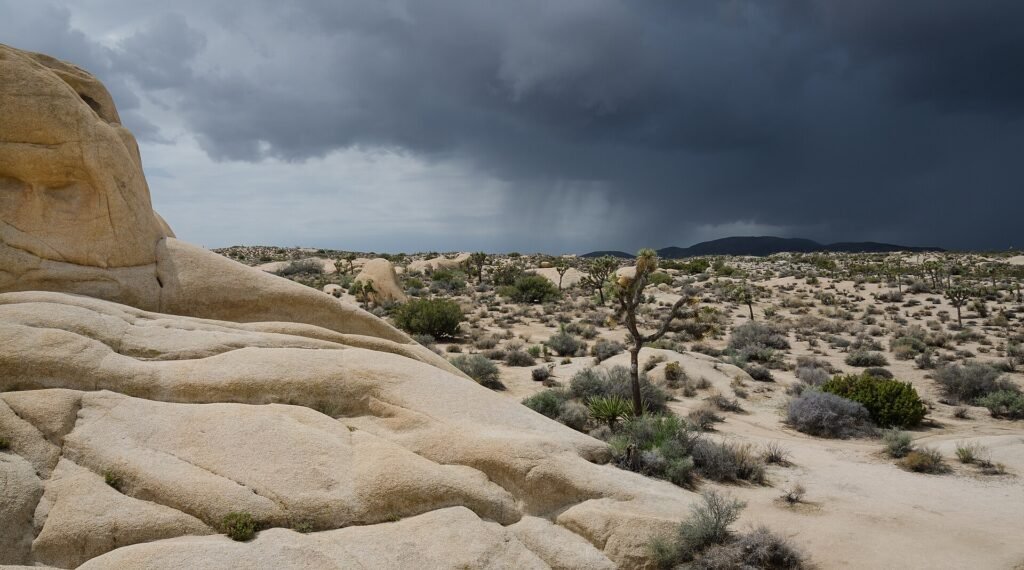
Joshua Tree National Park is about a two and a half to three hour drive east of Los Angeles, so it works as a long day trip but is better as a weekend. The National Park Service lists the entrance fee at $30 per private vehicle for seven days, with no timed entry or reservation needed to drive in. Go between fall and spring, enter through the West Entrance near the town of Joshua Tree, carry all the water you need and plan your hiking for the cooler parts of the day.
Getting there from Los Angeles
From Downtown LA, take the 10 freeway east past Banning and Palm Springs, then turn north on Highway 62 toward Yucca Valley and the town of Joshua Tree. The drive is roughly 130 to 140 miles, depending on where you start and which entrance you use.
Traffic on the 10 through the Inland Empire is the main variable. Leave early, especially on Friday or before a holiday weekend.
The drive is long, and our tips for driving in Los Angeles help you get out of the city at the right hour.
Park entrances
Joshua Tree has three main entrances:
- West Entrance, near the town of Joshua Tree. This is the closest to LA and leads to the most popular rock formations and trails.
- North Entrance, in Twentynine Palms. Good if you are staying in Twentynine Palms or want to see the eastern side of the park first.
- Cottonwood Entrance, in the south, off the 10 freeway. Handy if you want to drive through the park and leave via a different route.
Weekend lines at the West Entrance can be long, especially in spring. Arriving early or using the North Entrance can save time.
Fees and reservations
According to the National Park Service, the entrance fee for 2026 is $30 per private vehicle and covers everyone in the car for seven days. Annual passes, including the America the Beautiful pass, are accepted.
The park does not use timed entry, and you do not need a reservation to drive in. You do need reservations for most campgrounds, which are booked through Recreation.gov. Check the NPS permits and reservations page for details.
Best months to visit
Joshua Tree is best from about October through April. Spring brings wildflowers in good rain years and the biggest crowds. Fall is warm during the day and cool at night. Winter days are mild, but nights can drop below freezing, and the park sometimes gets snow.
Summer is very hot. Many days top 100°F, and hiking in the afternoon can be dangerous. If you go in summer, plan to be off the trails by late morning and use the evening for stargazing.
Top stops for a first visit
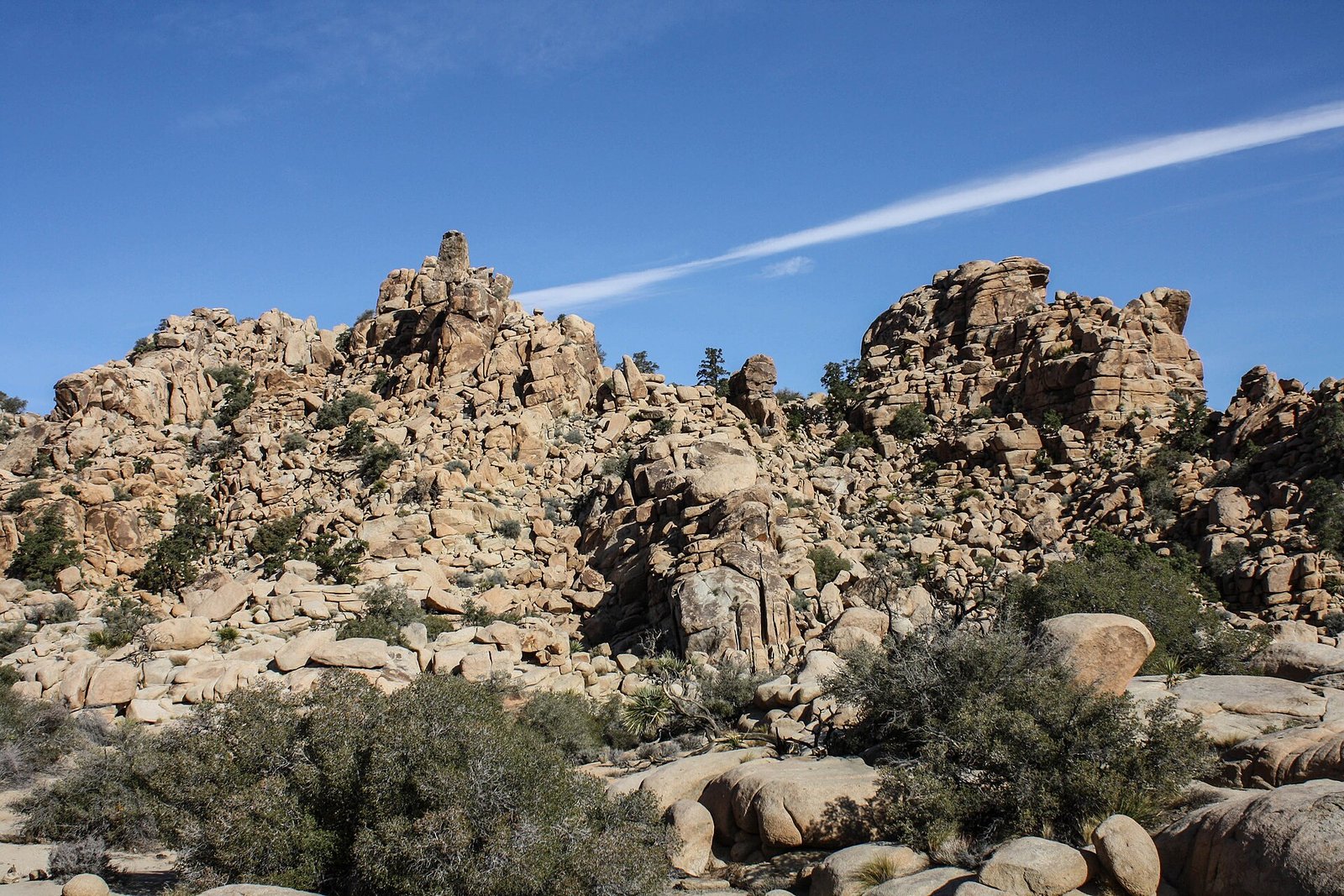
Hidden Valley
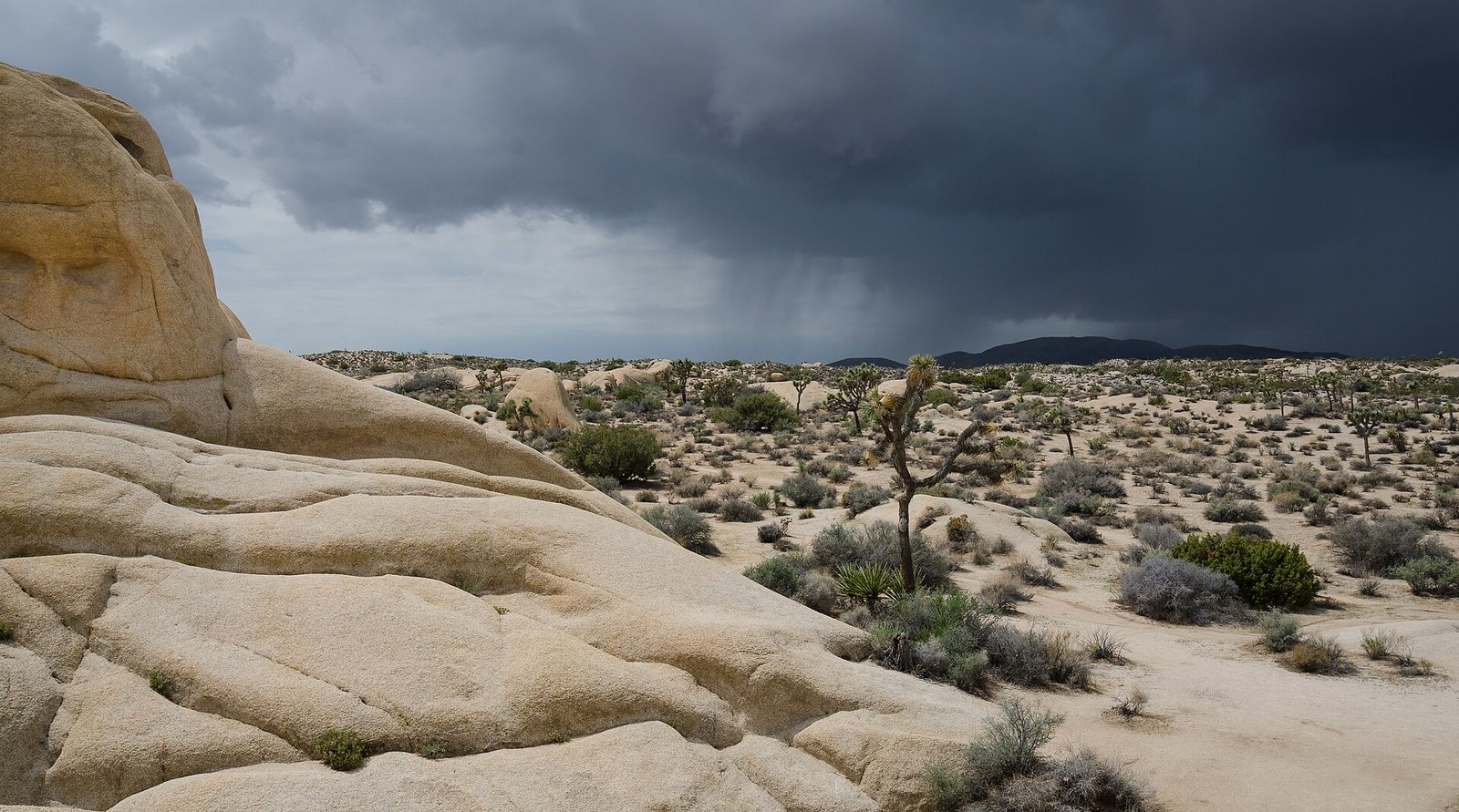
A short loop trail of about a mile through a rocky valley surrounded by boulders. It is one of the easiest ways to get a feel for the park’s landscape.
Barker Dam
A short, flat trail to a small historic dam. After a wet winter, water can collect behind it. Look for petroglyphs near the end of the loop.
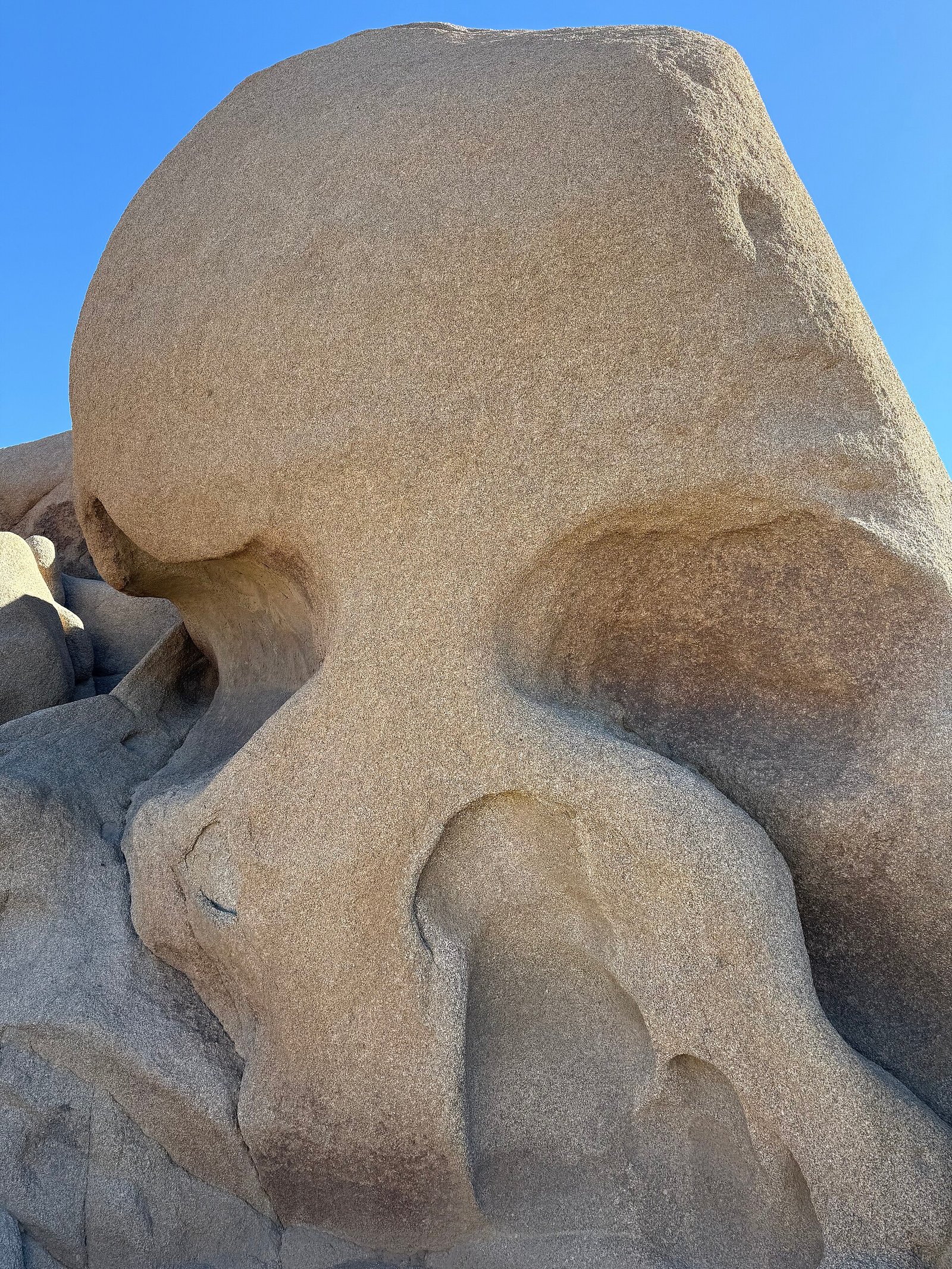
Skull Rock
A boulder with two hollows that look like eye sockets, right next to the main park road. A quick photo stop, with a short trail behind it.
Keys View
A paved road leads to a viewpoint at more than 5,000 feet, looking over the Coachella Valley, the Salton Sea and the San Andreas Fault area on clear days. It is a popular sunset spot.
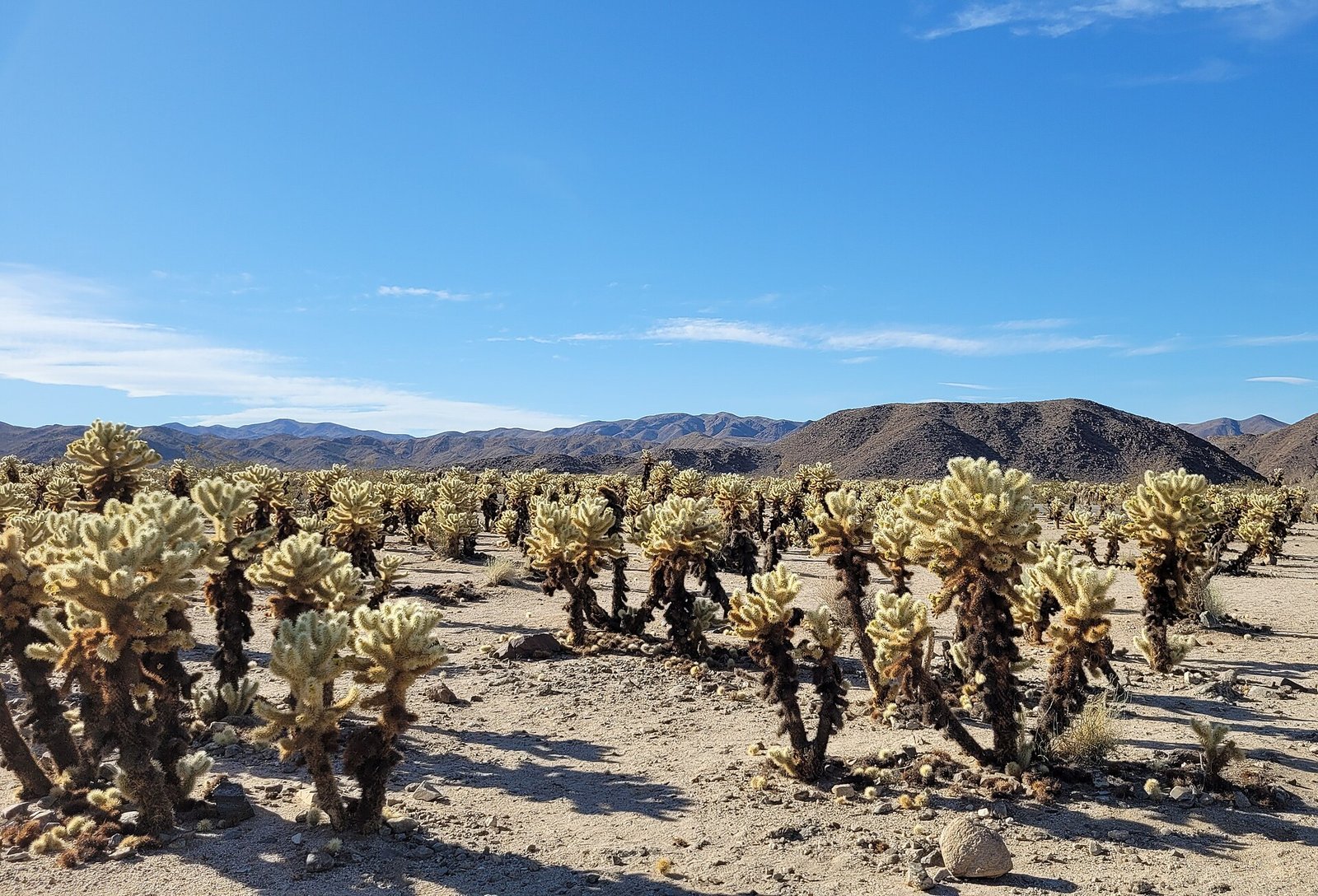
Cholla Cactus Garden
A dense field of cholla cacti in the transition zone between the higher Mojave Desert and the lower Colorado Desert. Stay on the boardwalk and do not touch the cacti. The spines detach easily and are painful.
Arch Rock
A natural rock arch reached by a short trail near the White Tank area.
Desert safety
The NPS warns that the desert can be dangerous, especially in heat. Follow these basics:
- Bring plenty of water. The NPS recommends carrying at least one gallon per person per day, and more for hiking. Water is very limited inside the park.
- Avoid midday hikes in hot weather. Start early, rest in shade and turn back if you feel unwell.
- Tell someone your plans. Cell service is limited or nonexistent in many parts of the park.
- Carry a map. Do not rely only on your phone’s GPS.
- Fill your gas tank before entering. There is no gas inside the park.
- Watch for wildlife. Snakes and other desert animals are present, especially in warm months.
- Stay off fragile surfaces. Desert soils recover slowly. Stick to trails and roads.
For a cooler mountain trip in summer, Big Bear Lake is the usual pick for LA families.
A one-day plan
- Leave LA by 6 a.m.
- Enter through the West Entrance around 9 a.m.
- Hike Hidden Valley and Barker Dam in the morning.
- Picnic lunch, since there are no restaurants inside the park.
- Drive to Skull Rock and Arch Rock.
- End at Keys View for sunset.
- Dinner in Joshua Tree or Yucca Valley, then the drive home.
This is a long day. Take turns driving if you can.
A weekend plan
Day 1: Drive out in the morning, see Hidden Valley, Barker Dam and Keys View, then check in at a campground or rental in Joshua Tree, Yucca Valley or Twentynine Palms.
Day 2: Early hike before the heat, drive south through the Cholla Cactus Garden and exit at Cottonwood. Return to LA via the 10, with an optional stop in Palm Springs.
Stargazing
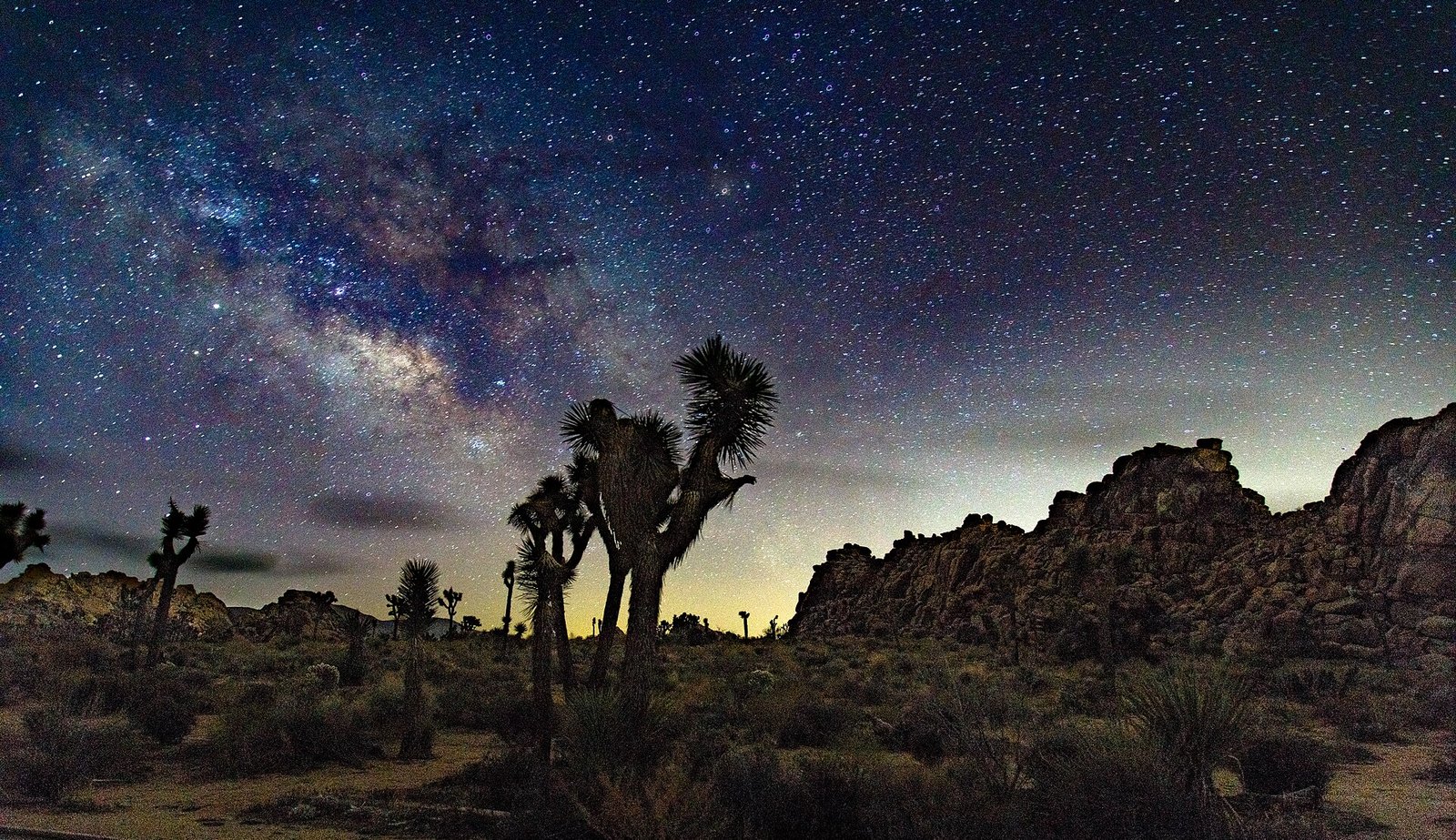
Joshua Tree is known for dark skies. On a clear night away from towns, the Milky Way is easy to see. New moon weekends are best. Bring a red flashlight to protect your night vision, and dress warmly, since desert nights cool off quickly.
Where to stay
Inside the park, camping is the only option. Several campgrounds take reservations through Recreation.gov and fill up quickly in spring and fall.
Outside the park, the towns of Joshua Tree, Yucca Valley and Twentynine Palms have motels, small inns and many vacation rentals. Prices go up on spring weekends.
Food and supplies
There are no restaurants or stores inside the park. Pack a lunch, snacks and extra water. The towns along Highway 62 have grocery stores, coffee shops and restaurants.
Hiking
The park has trails for every level, from short nature walks to long backcountry routes. For more hiking ideas closer to the city, see our best hikes in Los Angeles guide.
How Joshua Tree fits into an LA trip
If you are visiting LA in summer, Joshua Tree is a tough day trip because of the heat. Our best time to visit Los Angeles guide can help you plan the rest of your trip around the seasons.
Palm Springs makes a good base for the park, so look at our Palm Springs day trip guide to plan an overnight.
FAQ
How far is Joshua Tree from Los Angeles?
About 130 to 140 miles, or roughly two and a half to three hours by car, depending on traffic.
How much does it cost to enter Joshua Tree?
The NPS lists the fee at $30 per private vehicle for seven days in 2026. Annual passes are accepted.
Do you need a reservation for Joshua Tree?
No reservation or timed entry is needed to drive in. Most campgrounds require reservations.
Can you do Joshua Tree in one day from LA?
Yes, but it is a long day. Leave early and focus on the western part of the park.
When is the best time to visit Joshua Tree?
October through April. Summer days are often over 100°F.