
Big Bear Lake is a mountain town in the San Bernardino Mountains, about 100 miles east of Los Angeles, or two to three hours by car depending on traffic and weather. In winter, it is where many Angelenos go for snow and skiing, and you must carry chains or approved traction devices when Caltrans has chain controls in effect. In summer, the lake is the draw, with boating, paddling and hiking in cool pine forest. Check road conditions before every trip.
Where Big Bear is
Big Bear Lake sits at roughly 6,750 feet in the San Bernardino Mountains. The area includes the City of Big Bear Lake on the south shore, Big Bear City to the east and the small community of Fawnskin on the north shore.
Because of the elevation, temperatures are much cooler than in LA. Winter brings snow, and summer days are pleasant while nights can be chilly.
Routes from Los Angeles
There are three main highways up the mountain:
- Highway 330 to Highway 18 from Highland, near San Bernardino. This is a common route from LA.
- Highway 18 from San Bernardino through Running Springs, sometimes called the Rim of the World Highway.
- Highway 38 from Redlands, through Angelus Oaks. Longer, but often less crowded.
All three are mountain roads with curves and steep drop-offs. Drive carefully, use turnouts to let faster cars pass and watch for icy spots in winter, especially in shade.
Before you leave, check Caltrans QuickMap for closures and chain controls. Rockslides, storms and construction can close routes with little warning.
Read our LA driving tips before you leave so you clear the freeways before the weekend rush.
Winter driving and chain controls
When there is snow or ice, Caltrans sets chain controls on mountain highways. According to Caltrans, there are three levels:
- R-1: Chains are required, except on passenger vehicles and light trucks under 6,000 pounds that have snow tires on at least two drive wheels.
- R-2: Chains are required on all vehicles, except four-wheel drive or all-wheel drive vehicles with snow tires on all four wheels.
- R-3: Chains are required on all vehicles, with no exceptions.
Caltrans also says all vehicles must carry chains in a chain control area, even if they qualify for an exception.
Tips:
- Buy chains before you leave LA. Prices near the mountain are often higher, and stores can sell out.
- Practice putting them on at home.
- Use chain installer turnouts when signs tell you to.
- Rental car rules vary. Many rental companies restrict chain use, so check your agreement.
- Leave extra time. Snow traffic on weekends can add hours to the drive.
Skiing and snowboarding
Big Bear Mountain Resort runs the two ski areas in town, Bear Mountain and Snow Summit. Bear Mountain is known for its terrain parks, while Snow Summit has more traditional runs. Both rely on a mix of natural snow and snowmaking.

Lift tickets, rentals and lessons vary by date and are usually cheaper when bought ahead online. Check the Big Bear Mountain Resort website for current prices, conditions and opening dates.
Snow play for families
Many visitors just want to play in the snow. Sledding and tubing are popular, but do not stop on the side of the highway or trespass on private property to sled. Use designated snow play areas, some of which charge for tubing and parking.
Summer on the lake
Big Bear Lake is about 7 miles long, and in summer it fills with boats, kayaks and paddleboards. Marinas around the lake rent pontoon boats, fishing boats and kayaks. Prices and availability vary, so book ahead for summer weekends.

Other summer activities:
- Alpine Pedal Path, a paved path along the north shore for biking and walking.
- Mountain biking at the ski resort in summer.
- Fishing for trout and bass, with a California fishing license.
- Swimming at designated areas only.
Hiking
The San Bernardino National Forest surrounds Big Bear, with trails for every level. Popular choices include the Castle Rock Trail, a short but steep climb to views over the lake, and longer routes on the ridges above town.
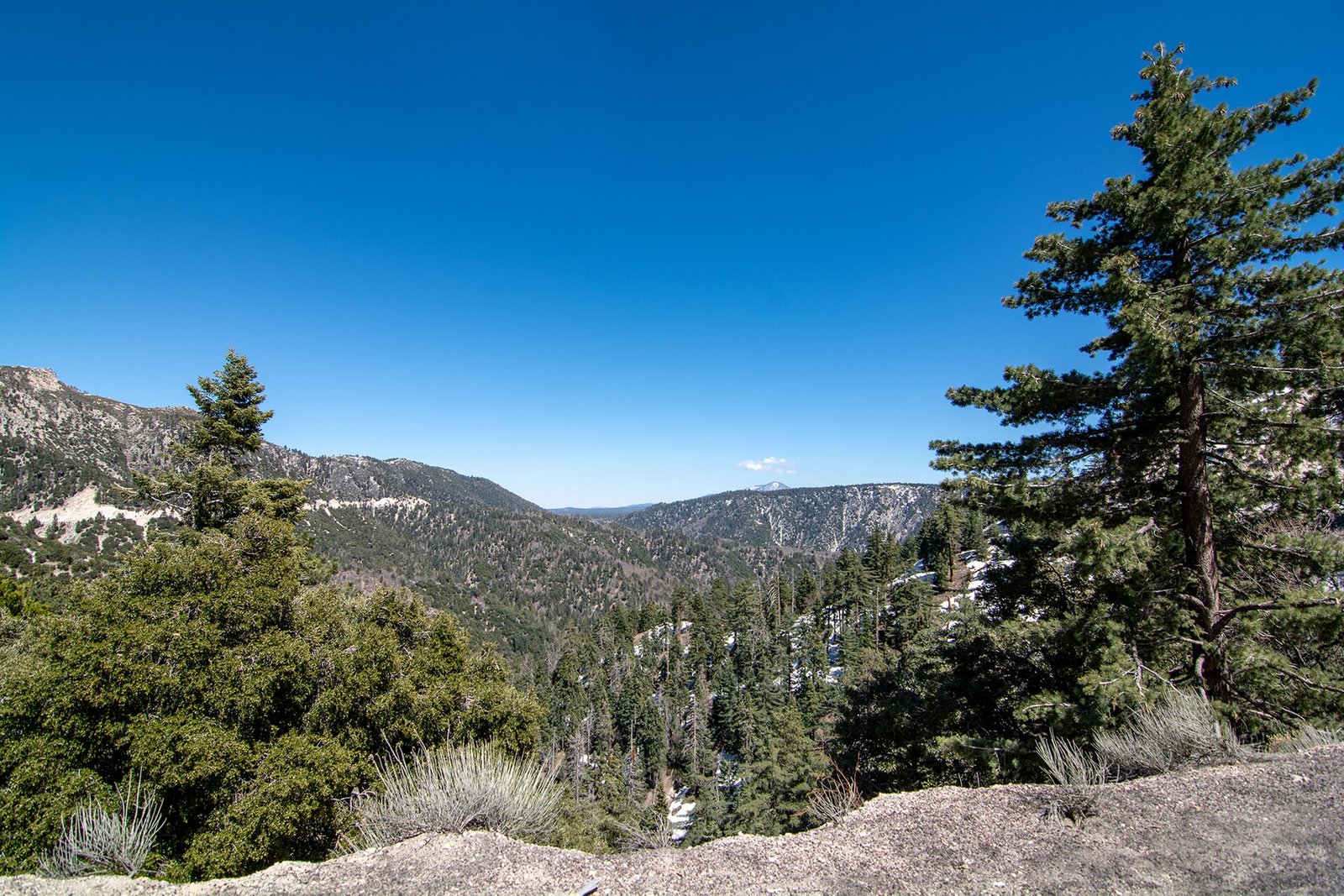
Check the San Bernardino National Forest website for trail conditions, fire restrictions and any required passes. Some trailheads require an Adventure Pass or a federal recreation pass.
For more hiking ideas near the city, see our best hikes in Los Angeles guide.
The Village
Big Bear Lake Village is the walkable town center, with shops, restaurants and cafes. It is busiest on weekends and holidays. Street and lot parking can fill up, so arrive early or walk from your lodging.
Big Bear with kids
Big Bear is one of the easier mountain trips from LA with kids. Snow play in winter, boats in summer and the Big Bear Alpine Zoo, which cares for injured and orphaned native animals, make for easy outings. Check the zoo’s website for current hours.
Our guide to things to do in Los Angeles with kids has more ideas closer to home.
Altitude and weather tips
- Drink water. The thin, dry air dehydrates you faster.
- Use sunscreen. UV is stronger at altitude, even in winter.
- Dress in layers. Temperatures change quickly from day to night.
- Watch for afternoon storms in summer, which can bring lightning.
When to go
Snow season usually runs from about December through March, depending on storms. Summer is lake season, from roughly late May through September. Fall brings cooler days and some color from oak and aspen trees.
Holiday weekends are the busiest and have the worst traffic. If you can, go midweek. For how the seasons in LA compare, see our best time to visit Los Angeles guide.
In fall, fire season can affect mountain roads, so check our wildfire season guide before you drive up.
A sample winter weekend
Saturday: Leave LA at dawn to beat the snow traffic, with chains in the trunk. Ski or snowboard in the morning, take a long lunch in the Village and check into your cabin before dark, when roads can ice up.
Sunday: Snow play or a short walk by the lake in the morning, then head down early in the afternoon. Sunday afternoons are when traffic off the mountain is often at its worst.
A sample summer weekend
Saturday: Rent a pontoon boat or kayaks in the morning, when the lake is calmest. Spend the afternoon in the Village, then grill at your rental.
Sunday: Hike Castle Rock or another trail early, ride the Alpine Pedal Path and drive home after lunch.
Budget tips
Big Bear can be cheap or expensive depending on dates. Weekday stays and early season visits cost less than holiday weekends. Buying lift tickets online ahead of time, packing your own lunch and bringing chains from home can all keep costs down.
Where to stay
Big Bear has cabins, vacation rentals, lodges and a few hotels. Many rentals have minimum stays on weekends and holidays. If you rent a cabin, check whether it has a steep driveway or requires four-wheel drive in winter.
FAQ
How long is the drive from LA to Big Bear?
About two to three hours without major traffic, longer on snowy weekends or holidays.
Do I need chains to drive to Big Bear?
When Caltrans has chain controls in place, yes, or you need a vehicle and tires that meet the exception. All vehicles must carry chains in a control area.
When does Big Bear get snow?
Usually between December and March, though storms vary each year.
What is there to do in Big Bear in summer?
Boating, paddling, fishing, hiking, mountain biking and the Alpine Pedal Path along the lake.