You can see a lot of Los Angeles on a budget if you lean on three things: Metro, free sights and cheap food. Metro rides cost $1.75, and fare capping limits what you pay to $5 a day or $18 over seven days when you use a TAP card or contactless bank card. Many top museums, the Getty, The Broad and Griffith Observatory are free. Tacos, food trucks and markets keep meals cheap. The biggest cost will be your hotel, so pick a neighborhood near a Metro line and book early.
Getting around for less
Metro fare capping
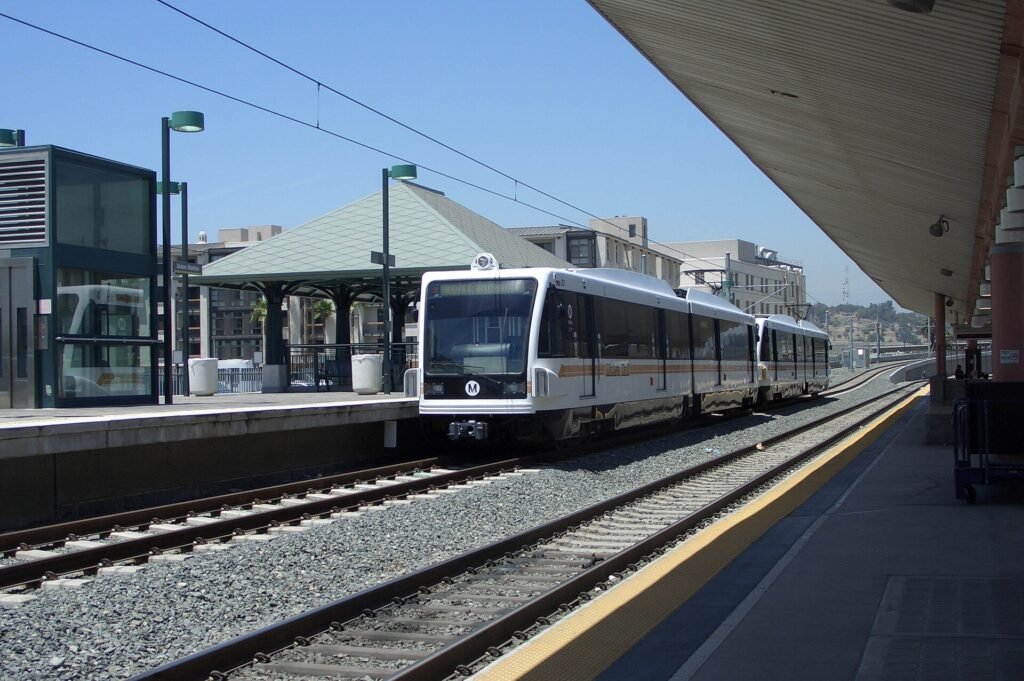
According to LA Metro, the regular fare is $1.75 per ride. If you pay with a TAP card or a contactless credit or debit card, your fares are capped at $5 per calendar day and $18 within seven days. After you hit either cap, extra rides are free. Cash fares do not count toward the cap.
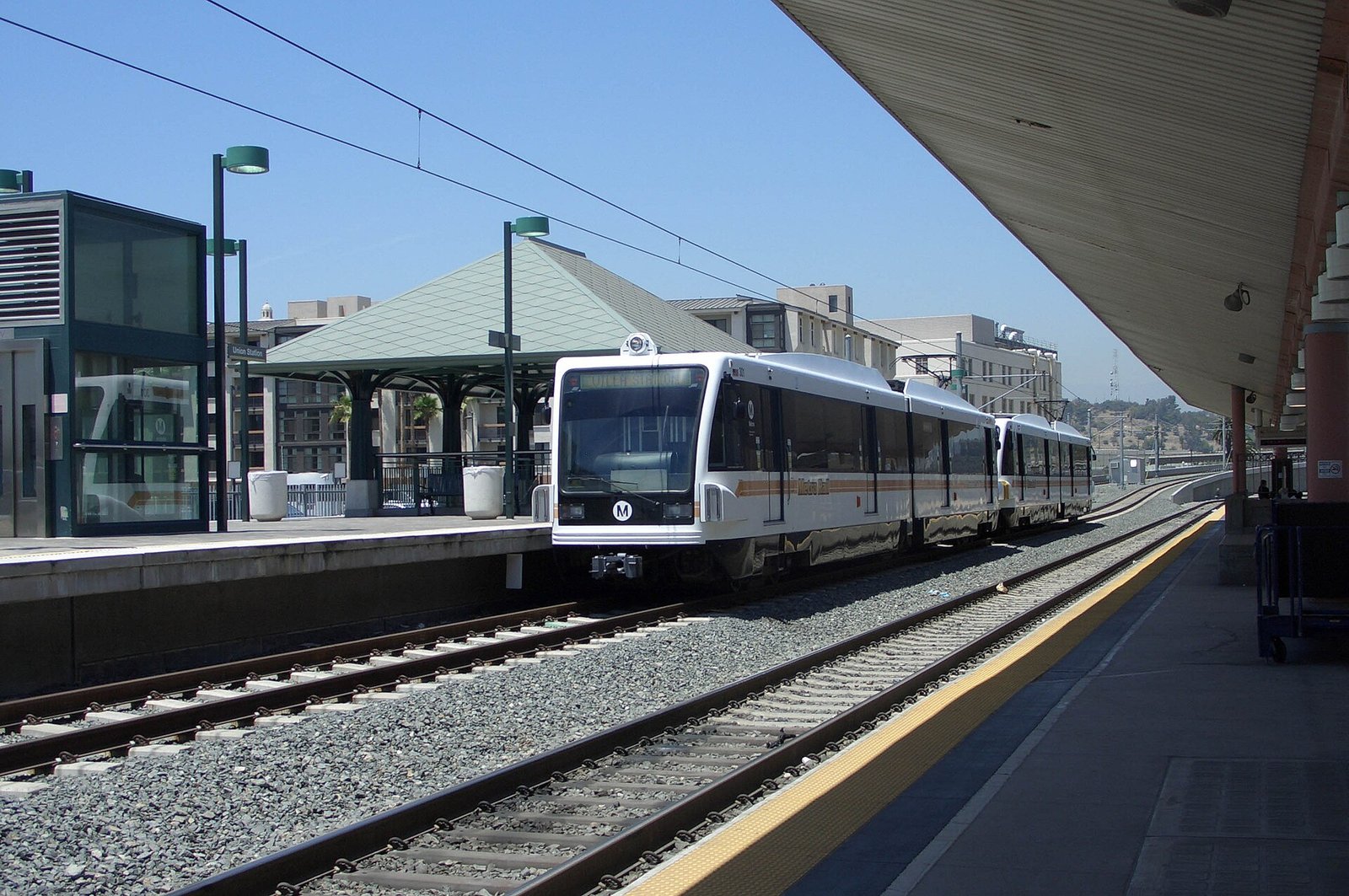
That means you can ride the Metro all day for $5, or all week for $18. Our LA Metro guide explains how the lines connect and how to load a TAP card.
From LAX for $12.75
The LAX FlyAway bus runs between LAX and Union Station in Downtown LA, as well as Van Nuys. Los Angeles World Airports lists the fare at $12.75 one way. It is usually far cheaper than a rideshare into downtown.
Walking and biking
Some neighborhoods are easy to see on foot, such as Downtown, Hollywood Boulevard, Santa Monica and Venice. Metro Bike Share has stations in parts of the city, including Downtown, and rentals work well for short trips. Check current pricing in the Metro Bike app.
When a car makes sense
If you plan day trips to places like Malibu or Joshua Tree, a rental car may be worth it. Factor in parking, which can be expensive in many areas, and gas, which costs more in California than in most states.
Free things to do
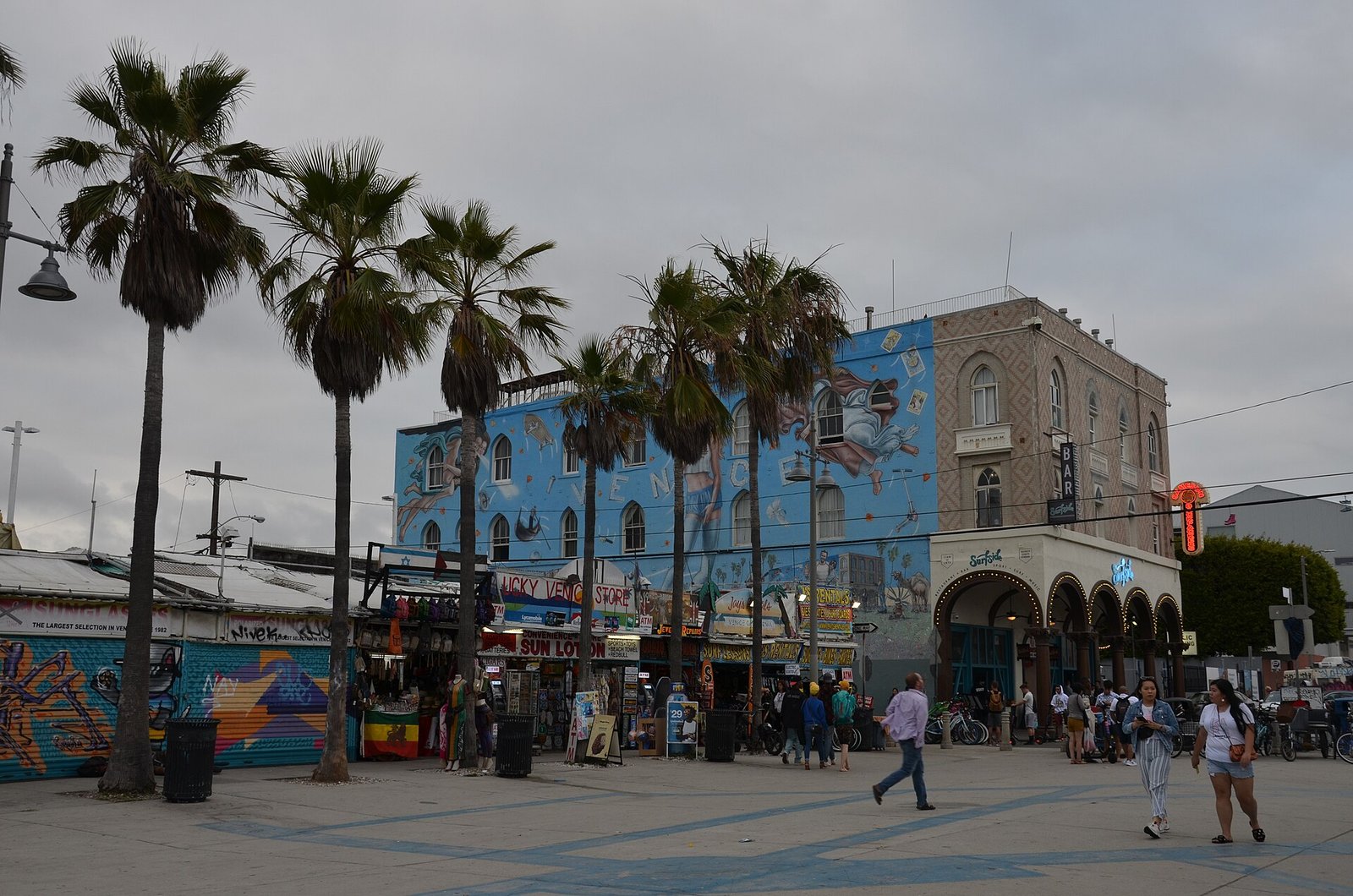
Los Angeles has a long list of free attractions. Some favorites:

- Griffith Observatory: free entry, exhibits and telescopes. Parking on the hill is paid, so consider the DASH Observatory bus.
- The Getty Center and Getty Villa: free with timed tickets, with paid parking. Time Out reported in 2026 that the Getty Center plans a temporary closure before March 2027, so check dates.
- The Broad: free general admission with a timed ticket.
- Hollywood Walk of Fame and the TCL Chinese Theatre forecourt: free to walk and look.
- Beaches: free, though parking near the sand often costs money.
- Hiking: trails in Griffith Park and around the city are free.
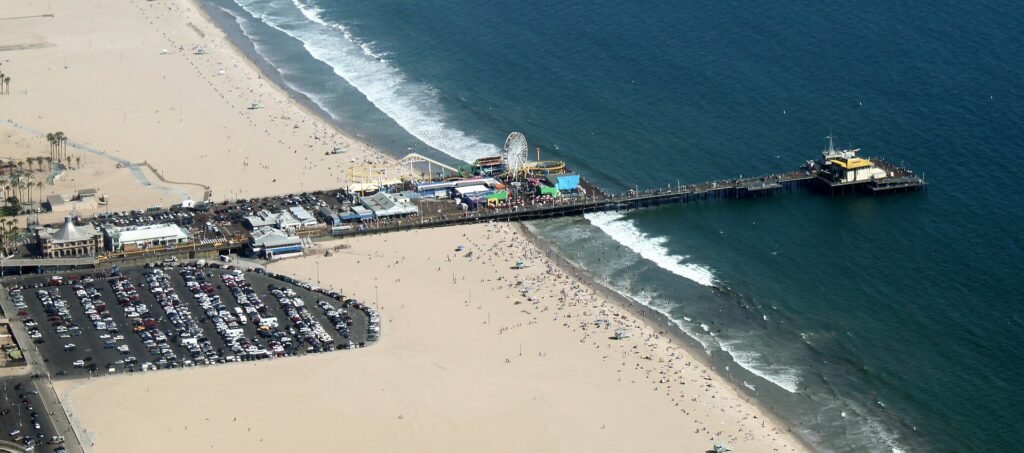
- Santa Monica Pier: free to walk. You pay for rides and games.
- Farmers markets: free to browse.
For a longer list, see our guide to free things to do in Los Angeles.
Free museum days
Even paid museums have free days. LACMA is free for everyone on the second Tuesday of the month, and The Huntington is free on the first Thursday with a reservation, according to Time Out Los Angeles’s 2026 roundup. LA County residents get free weekday afternoon hours at LACMA and the Natural History Museum.
Several big museums are free on set days, and we list them all in free museum days in Los Angeles.
Eating well for less
Tacos and food trucks
Tacos are the best budget meal in Los Angeles. Taco trucks and taquerias across the city serve filling meals at prices far below sit-down restaurants. Look for busy trucks with a line of locals, which usually means fresh food and fast turnover.

Markets and food halls
Grand Central Market in Downtown LA and the Original Farmers Market in Fairfax have many stalls at different price points. Sharing a few dishes is often cheaper than a full restaurant meal.
Classic cheap eats
Long-running spots like Philippe the Original near Union Station and Pink’s Hot Dogs on La Brea Avenue are known for filling, affordable meals.
Happy hours
Many bars and restaurants have happy hour menus on weekday afternoons with cheaper drinks and small plates.
Grocery stores
For breakfast and snacks, grocery stores and markets save a lot. Many hotels have mini fridges, and some have microwaves.
Saving on hotels
Hotels are where most visitors spend the most. According to LA Tourism’s lodging data, the average daily rate for Los Angeles hotels from January through September 2026 was about $220, citing STR. Prices vary widely by neighborhood, season and day of the week.
Ways to save:
- Stay near a Metro line. You can skip a rental car and parking fees.
- Look outside the most famous areas. Neighborhoods like Koreatown, Pasadena or parts of Downtown can cost less than Santa Monica or Beverly Hills.
- Check parking fees. Many LA hotels charge nightly parking, which can add a lot to your bill.
- Watch for resort fees. Some hotels add daily fees on top of the room rate.
- Travel midweek or off-peak. Rates are often lower on Sunday through Thursday nights and outside summer.
Our where to stay in Los Angeles guide compares the main areas for visitors.
Saving on paid attractions
- Book online. Many attractions charge less online than at the gate.
- Compare passes. City passes can save money if you plan to see several paid attractions, but only if you use them enough.
- Check for discounts. Students, seniors, military and LA County residents often get lower prices.
- Pick your splurges. Choose one or two big-ticket attractions and fill the rest of your trip with free sights.
Before you buy a sightseeing pass, read our breakdown of whether the Go City Los Angeles pass is worth it.
A budget day in Los Angeles
- Breakfast from a grocery store or bakery.
- Metro to Hollywood: Walk of Fame, TCL Chinese Theatre forecourt and views of the Hollywood Sign.
- Lunch: tacos.
- Afternoon: Metro to Downtown for The Broad and Grand Central Market.
- Evening: DASH bus to Griffith Observatory for sunset and free telescope viewing.
Total transit cost: $5 with fare capping.
Money traps to avoid
- Hollywood Boulevard costumed characters expect a tip for photos.
- Sidewalk tour sellers can charge more than booking direct, so compare first.
- Parking tickets are expensive. Read every sign before you leave the car.
- Airport rideshares at peak times can cost far more than the FlyAway.
- Hotel parking and resort fees can add a lot per night, so include them when comparing rates.
Budget tips by season
- Summer: Book hotels early. It is peak season.
- Fall: Often the best mix of good weather and lower prices, after the summer crowds leave.
- Winter: Hotel prices can drop outside the holidays, and many sights are less crowded on weekdays.
- Spring: Popular for events, so watch prices around big weekends.
FAQ
How much does it cost to ride the Metro in Los Angeles?
$1.75 per ride, with fare capping at $5 per day and $18 over seven days when you use TAP or a contactless bank card.
Is Los Angeles expensive to visit?
It can be, mainly because of hotels and car costs. Using the Metro, eating at taco spots and markets and choosing free attractions keep costs down.
What are the best free things to do in LA?
Griffith Observatory, the Getty Center, The Broad, the beaches, the Walk of Fame and hiking in Griffith Park.
What is the cheapest way to get from LAX to Downtown?
The FlyAway bus to Union Station, which costs $12.75 one way, or Metro rail connections from the airport.