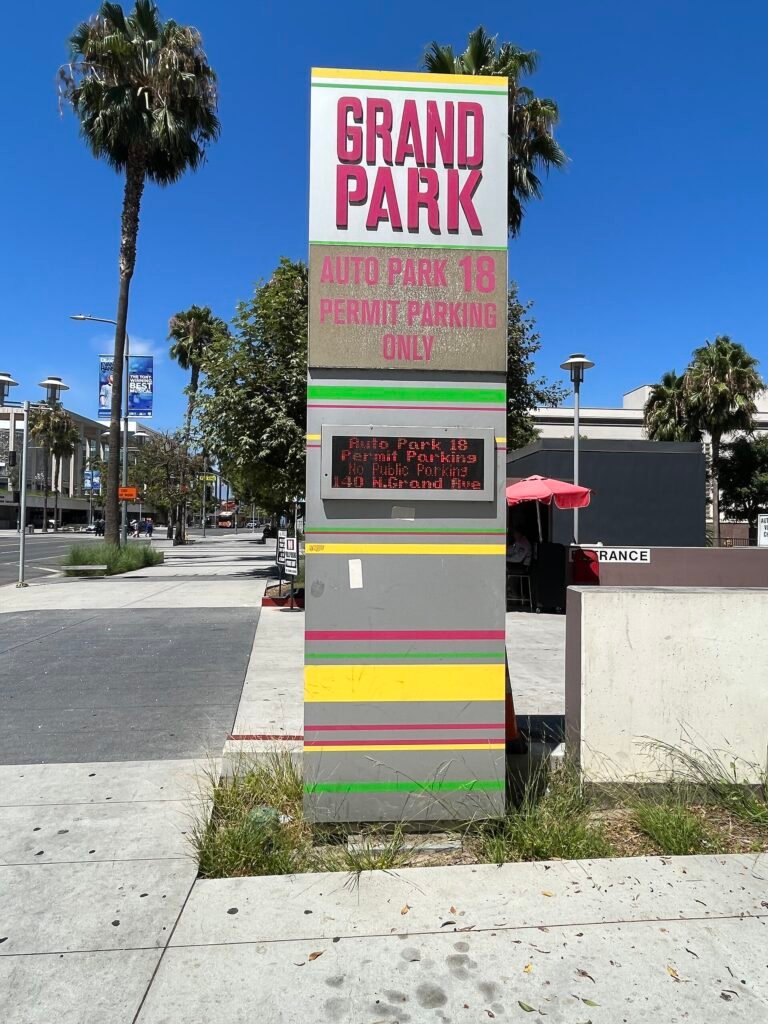
Parking in Los Angeles comes down to reading every sign on the pole, knowing what each curb color means and paying the meter the right way. Red curbs mean no stopping at any time, street sweeping rules can get you towed or ticketed and many city meters can be paid by app. Garages near big attractions cost more, so parking a few blocks away and walking often saves money.
How to read stacked parking signs
LA is famous for poles with four or five signs stacked on top of each other. The trick is to read them all and follow the strictest rule for the time you are there.

- Start at the top. Signs about tow-away zones, no stopping and street sweeping usually rule over the rest.
- Check the days and hours on each sign. A rule applies only during the times listed.
- Look for permit districts. Signs that say a permit is required, or that exempt permit holders from a time limit, mean nonresidents face the limit.
- Note time limits, such as 1-hour or 2-hour parking.
- Check both directions. Arrows show which part of the curb a sign covers.
If you are unsure, find another spot. Tickets cost far more than a garage.
Curb colors in Los Angeles
The Los Angeles Department of Transportation (LADOT) explains what painted curbs mean in the city:
- Red: No stopping, parking or standing, whether or not someone is in the car.
- Yellow: Commercial loading. Cars without commercial plates may stop to load or unload passengers or bags for up to 5 minutes. Yellow zones apply Monday through Saturday from 7 a.m. to 6 p.m. unless signs say otherwise.
- White: Passenger loading only, up to 5 minutes.
- Green: Short-term parking, usually 15 or 30 minutes as posted. Green zones apply Monday through Saturday from 8 a.m. to 6 p.m. unless signs say otherwise.
- Blue: Accessible parking for vehicles with a valid disabled placard or plate.
LADOT says red, white and blue curb rules apply 24 hours a day, seven days a week, unless a sign says otherwise. Posted signs apply no matter the curb color.
Street sweeping
Many residential streets have street sweeping signs listing a day and a time window, such as a weekday morning. Your car must be gone during that window, even if the sweeper has already passed. Tickets for street sweeping are among the most common in LA.
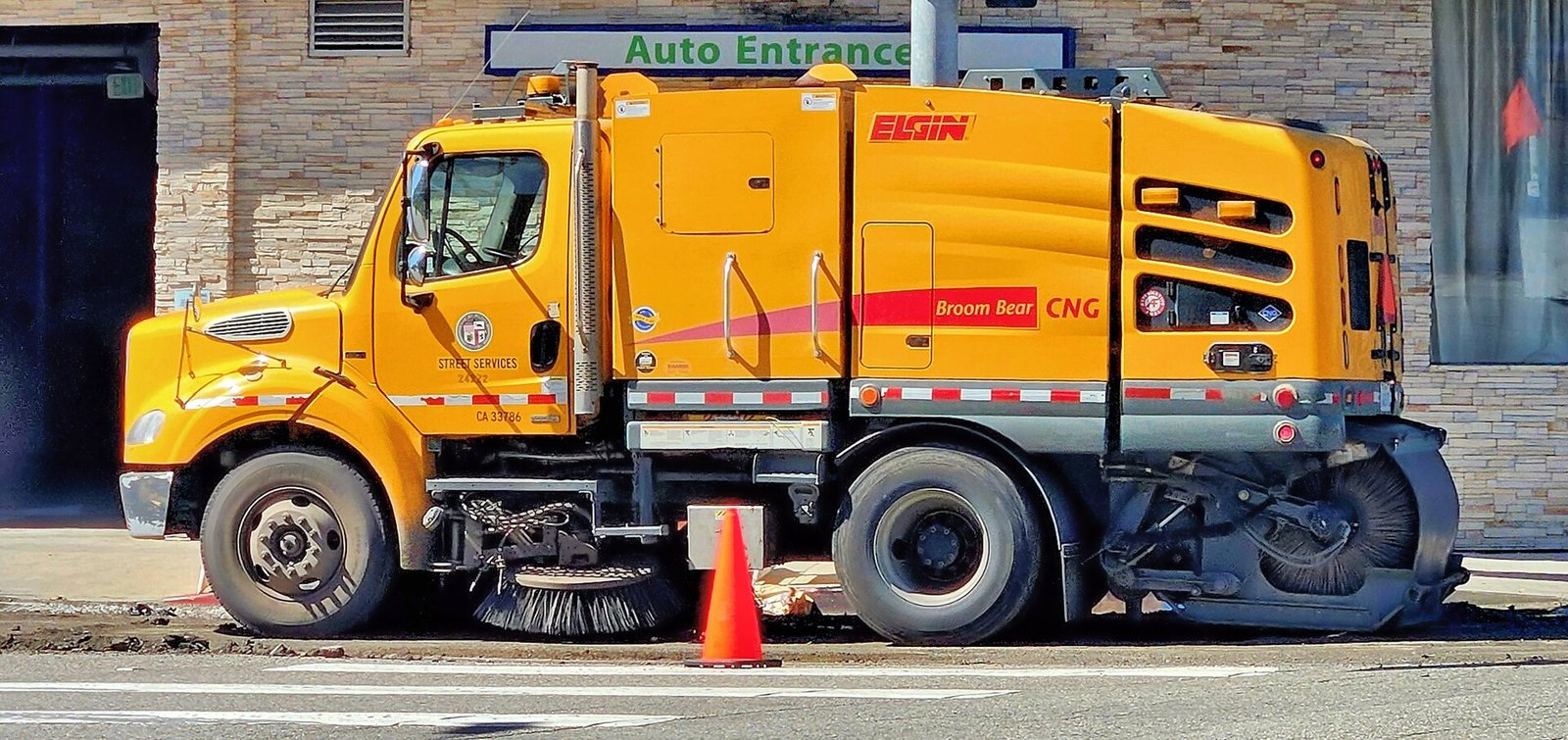
- Read the days carefully. Some streets are swept on different days on each side.
- Set a reminder if you park overnight.
- Rules may not apply on some holidays. Check the city’s guidance if you are unsure.
Paying at meters
City meters in LA take coins and cards, and many can be paid by phone. LADOT lists app options on its Parking in LA page. Look for the meter’s ID number and the app logos on the meter or nearby signs.
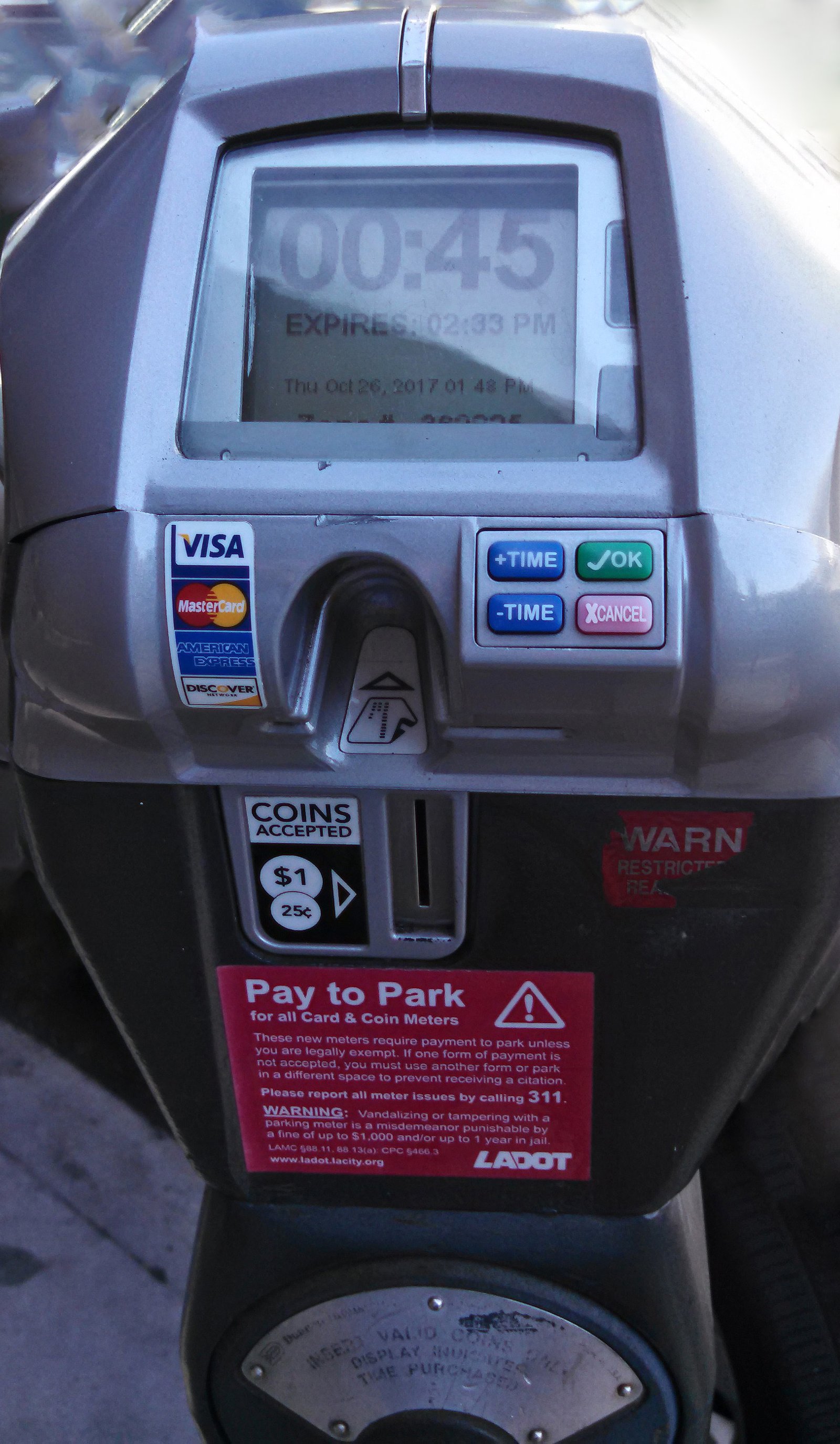
Tips:
- Check the hours on the meter. Many meters run into the evening, and some operate on Sundays.
- Check time limits. Paying does not let you stay past the posted limit.
- Broken meter? Rules for broken meters differ by city. Read the meter and nearby signs, and report it if you can.
Other cities in LA County, such as Santa Monica, West Hollywood, Pasadena and Beverly Hills, run their own meters, apps and rules.
Residential permit parking
Many neighborhoods near busy areas, such as Hollywood, Silver Lake, Venice and parts of the Westside, have preferential parking districts. Signs list a short limit for visitors and exempt cars with permits. Visitors can usually park within the time limit, but watch out for overnight restrictions.
Daylighting: no parking near crosswalks
A California law, AB 413, bars parking within 20 feet of the approach side of a crosswalk, even if the curb is not painted red. The goal is to help drivers see pedestrians. Leave space before crosswalks and intersections.
Other common tickets to avoid
- Blocking driveways, even partly.
- Parking within 15 feet of a fire hydrant.
- Parking facing the wrong way on the street.
- Leaving a car longer than posted in time-limited zones.
- Parking in a tow-away zone during rush hour. Some major streets ban parking at peak times to open up lanes.
Parking with a disabled placard
Under California law, vehicles displaying a valid disabled person placard or plate can park in blue zones and, in most cases, at metered spaces without paying and beyond posted time limits. There are exceptions, such as red zones and certain loading zones, so read signs and check the DMV’s rules if you are visiting with a placard from another state.
Garages and lots
Garages and lots are often the easiest choice near busy areas, though prices vary a lot. A few patterns:

- Prices rise near big attractions and during events.
- Some city-run garages cost less than private garages nearby. Santa Monica, Pasadena and Beverly Hills all run public garages.
- Validation at shops, restaurants and malls can lower the cost.
- Flat event rates apply near stadiums and arenas on game and concert days.
Parking apps let you compare and book garage spaces ahead of time. Prices change by day and time, so check before you go.
If parking costs add up, it may be cheaper to skip the car, which we cover in Los Angeles without a car.
Parking at popular spots
Santa Monica Pier
The pier area has public lots and city garages in downtown Santa Monica. Weekends and summer days fill up fast. Our Santa Monica Pier guide covers the closest options.
Hollywood Walk of Fame
Hollywood has paid garages, including one in the Ovation Hollywood complex, plus metered street parking. The Metro B Line stops at Hollywood/Highland and Hollywood/Vine, so transit is often easier. See our Hollywood Walk of Fame guide.
Griffith Observatory
Parking near the observatory is paid and can fill up, especially on weekends and at sunset. The DASH Observatory bus is a good alternative. Our Griffith Observatory guide has the details.
Beaches
Beach lots charge by the day or hour, and rates rise in summer. Arrive early on hot weekends.
If your car is towed
If your car disappears, check posted signs first to see if it was towed. In the City of LA, towed cars go to official police garages. You can call the local police non-emergency line or check the city’s online lookup to find your car. Bring your ID, registration and payment.
Tips to save money and stress
- Use transit for busy areas. Downtown, Hollywood and Santa Monica are easy to reach by Metro.
- Arrive early for popular spots.
- Park a few blocks away and walk.
- Take a photo of the signs where you park.
- Keep coins and a card handy in case the app does not work.
- Never leave valuables in sight.
For freeway and traffic advice, read our tips for driving in Los Angeles.
FAQ
What does a red curb mean in Los Angeles?
No stopping, parking or standing at any time, according to LADOT.
Can I park at a yellow curb in LA?
Only to load or unload passengers or bags for up to 5 minutes, unless you have a commercial plate and are loading freight. Outside posted hours, other rules apply.
Can I pay for parking in LA with an app?
Yes. Many city meters can be paid by phone. Check the meter for the app details.
How do I avoid a street sweeping ticket?
Read the sign for the sweeping day and time, and move your car before the window begins.
Is there free parking in Los Angeles?
Some streets and malls offer free parking, but most busy areas charge. Read signs carefully.