
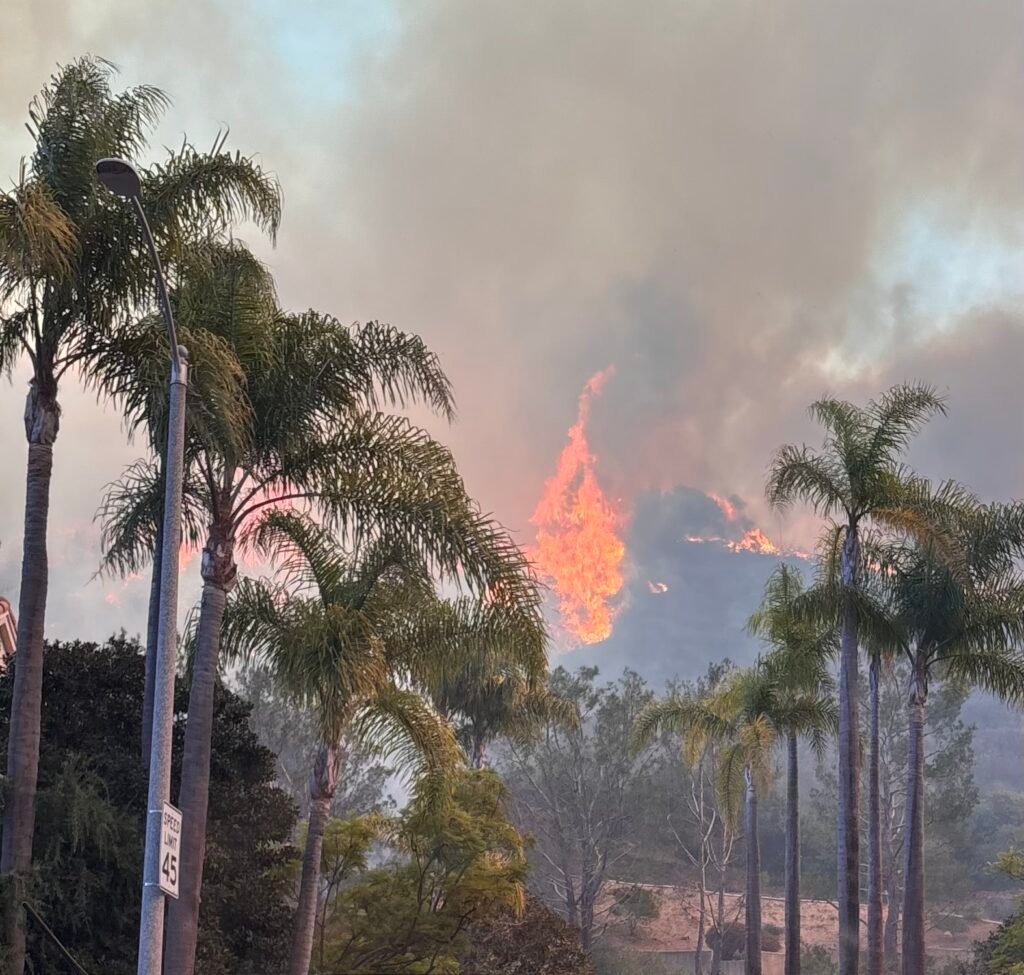
Wildfire risk in Los Angeles is highest from late summer through fall, when hot, dry Santa Ana winds blow, but fires can start in any month, as the January 2025 fires showed. Before and during your trip, check air quality on AirNow, sign up for local emergency alerts and watch for red flag warnings, which often close hiking trails and parks in the hills. Most visits are not affected, but knowing where to look makes it easy to adjust your plans.
When is wildfire season in LA?
Southern California’s dry season runs from late spring into fall, and plants dry out over the summer. Fire danger often peaks in fall, when Santa Ana winds, strong and dry winds blowing from the desert toward the coast, can push fires quickly through hills and canyons.
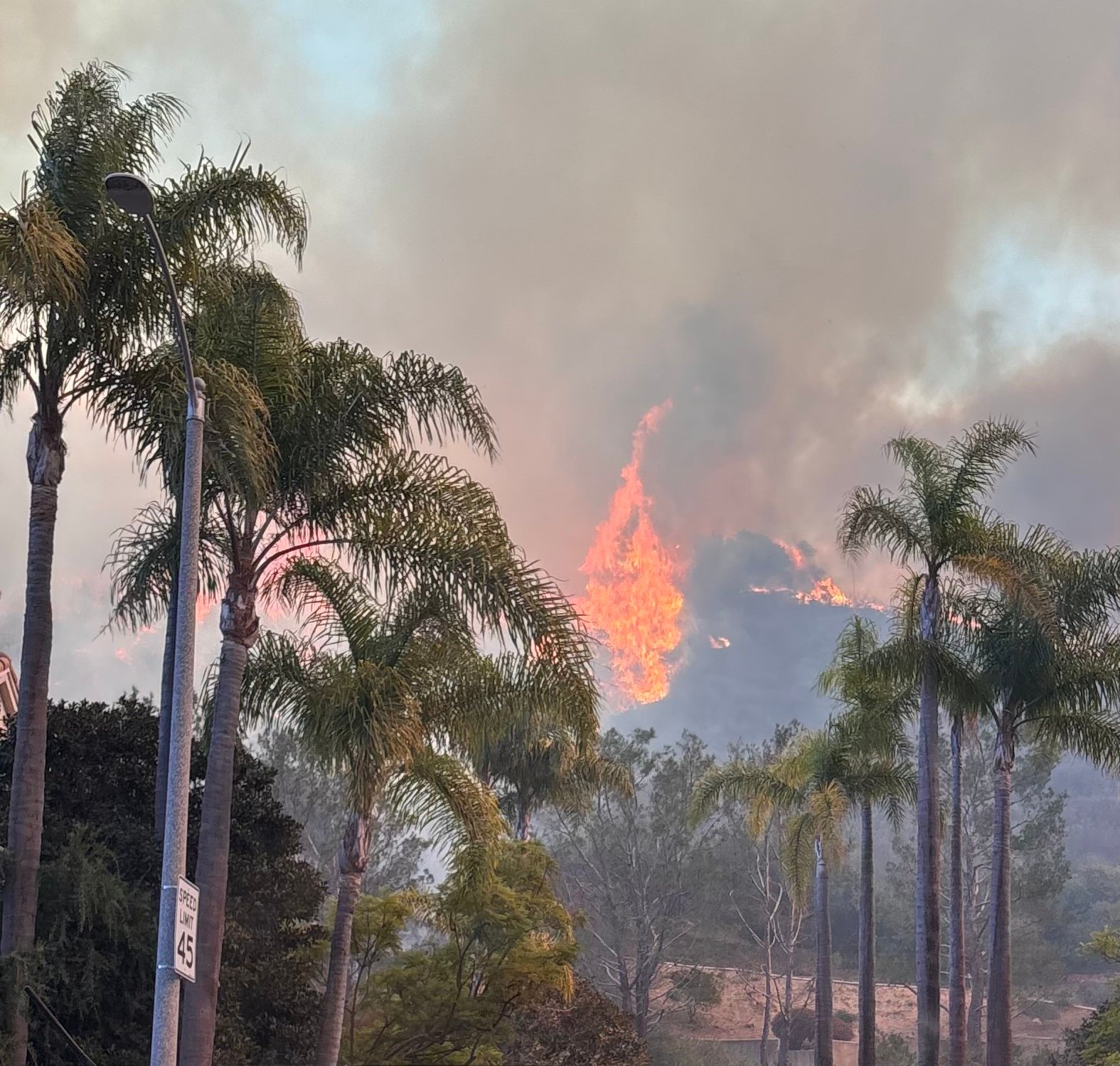
Fires are not limited to summer and fall. The Palisades and Eaton fires broke out in January 2025 during a powerful Santa Ana wind event, destroying thousands of structures. Fire officials now describe fire risk in Southern California as a year-round concern.
What a red flag warning means
The National Weather Service issues red flag warnings when strong winds, low humidity and dry conditions combine to create critical fire weather. You can see current warnings on the National Weather Service Los Angeles office website.
During red flag warnings:
- Parks and trails in the hills may close. Some agencies close trailheads and parks in high fire risk areas.
- Parking restrictions may apply on narrow hillside streets in the City of LA to keep roads clear for fire trucks. Watch for posted signs.
- Utilities may shut off power in some high-risk areas to reduce the chance of sparks.
- Outdoor burning and campfires are banned.
Checking air quality
Wildfire smoke can travel far, so air quality can drop across the region even if a fire is miles away.
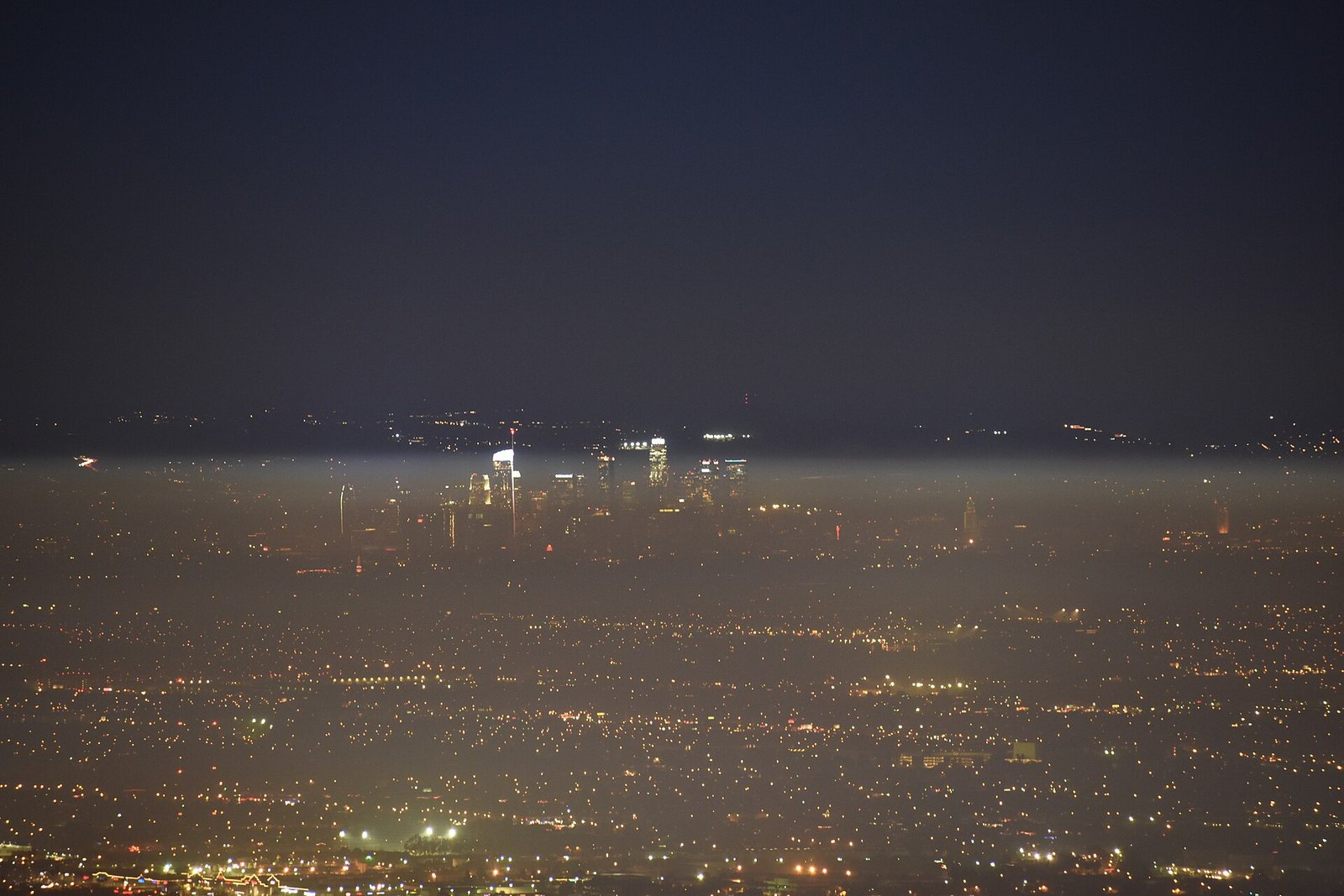
Where to check
- AirNow: The federal air quality site shows current readings and forecasts by ZIP code, including a fire and smoke map.
- South Coast AQMD: The regional air district for LA and Orange counties posts local air quality forecasts and smoke advisories.
- Weather apps: Many show an air quality index (AQI), though data sources vary.
Reading the AQI
The air quality index uses colors and numbers:
- Green (0 to 50): Good.
- Yellow (51 to 100): Moderate.
- Orange (101 to 150): Unhealthy for sensitive groups, including children, older adults and people with heart or lung conditions.
- Red (151 to 200): Unhealthy for everyone.
- Purple (201 to 300): Very unhealthy.
- Maroon (301 and up): Hazardous.
What to do when air quality is bad
- Stay indoors with windows and doors closed.
- Run air conditioning on recirculate, if you have it.
- Avoid hard outdoor exercise.
- Wear a well-fitted N95 mask if you need to be outside in smoke.
- Move plans indoors. Museums, malls and indoor attractions are good backups.
Emergency alerts to sign up for
Ready LA County lists the main alert systems:
- Alert LA County: The county’s opt-in system sends emergency alerts by text, email and phone call.
- NotifyLA: The City of Los Angeles system.
- City systems: Many cities run their own. Santa Monica, Long Beach, Pasadena, Burbank and Malibu all have local alert systems, and South Bay cities use Alert SouthBay.
- Wireless Emergency Alerts: Sent to phones in a targeted area. These are usually on by default.
- Radio: KFI (640 AM) and KNX (1070 AM) are among the county’s primary emergency broadcast stations.
Visitors can sign up for the system that covers where they are staying.
The same alerts cover earthquakes, which we explain in earthquake safety in Los Angeles.
Evacuation basics
If officials issue an evacuation order:

- Leave right away. Do not wait to see if the fire gets closer.
- Follow official routes and directions from police and fire crews.
- Take essentials: ID, medications, phone, charger and important documents.
- Know the difference between an evacuation warning, which means get ready, and an evacuation order, which means go now.
Hotels in fire areas usually help guests with evacuation plans. Ask the front desk if you are unsure.
Driving during fire season
Fires can close freeways and canyon roads with little notice. Pacific Coast Highway, Malibu Canyon, Topanga Canyon and roads into the San Gabriel Mountains are among the routes that have closed during past fires. Before a drive through the hills or along the coast:
- Check Caltrans QuickMap for road closures.
- Keep your gas tank at least half full.
- Do not drive toward a fire to look at it. Sightseers block roads that crews and evacuees need.
- Pull over for fire engines and other emergency vehicles.
- Turn on headlights in smoke, and slow down.
Adjusting hiking plans
Many of LA’s best hikes are in the Santa Monica Mountains, Griffith Park and the San Gabriel Mountains, all areas with high fire risk.
- Check for closures on the park agency’s website before you go, especially on hot, windy days.
- Skip hikes on red flag days. Even if trails are open, conditions can change fast.
- Never smoke or use anything with an open flame on trails.
- Watch for burn areas. Some trails close for months or years after a fire. Burned areas can also face mudslides and debris flows after heavy rain.
- Have a backup plan, such as a beach walk or museum.
Our best hikes in Los Angeles guide includes trails across the region.
Low smoke days near the coast can be good for a beach walk, and the Marvin Braude Bike Trail is flat and open.
Burn areas after the 2025 fires
The January 2025 Palisades and Eaton fires burned large areas of Pacific Palisades, Malibu and Altadena. Recovery and rebuilding continue, and some trails, parks and roads in these areas have reopened while others remain closed or restricted. Check current status with the park or agency before visiting.
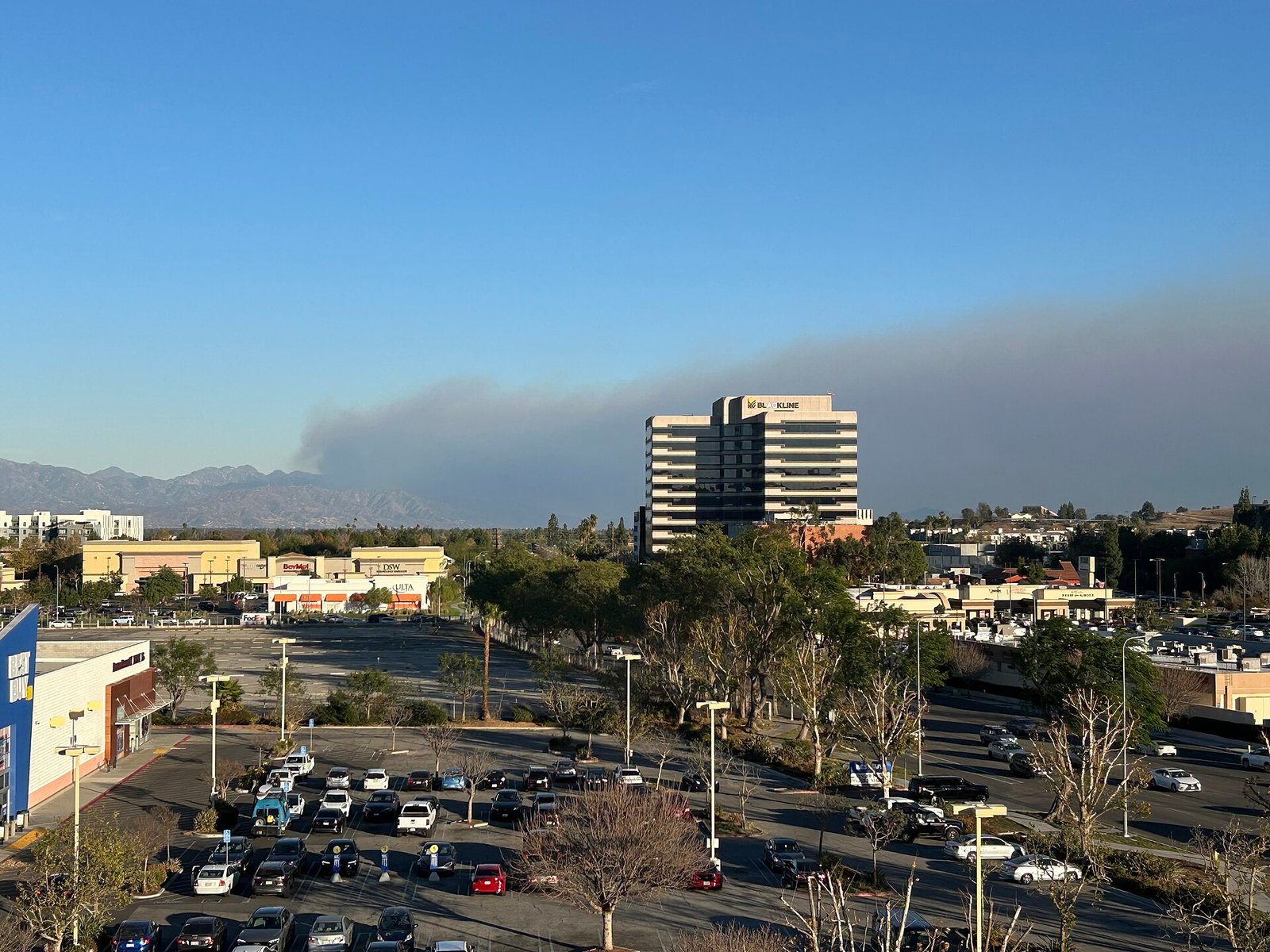
When visiting fire-affected neighborhoods, be respectful of residents. Do not trespass on damaged properties or stop in traffic to take photos.
Should wildfire season change when you visit?
For most visitors, no. Fires are unpredictable, and fall is otherwise one of the best times to visit LA, with warm weather and fewer crowds. Our best time to visit Los Angeles guide covers the seasons.
Just keep an eye on conditions:
- Check alerts and air quality daily during your trip.
- Book flexible reservations for hiking trips or mountain stays.
- Pack an N95 mask if you are sensitive to smoke.
Tips for residents
- Create defensible space around your home by clearing dry brush, as required in many high-risk areas.
- Make a go bag with essentials.
- Plan evacuation routes and practice them.
- Sign up for alerts where you live and work.
- Check your insurance coverage.
For more about life in LA, see our Living in Los Angeles page.
FAQ
When is wildfire season in Los Angeles?
Risk is highest from late summer through fall, when Santa Ana winds blow, but fires can happen any time of year.
How do I check air quality in LA?
Use AirNow or the South Coast AQMD for current readings and forecasts.
What is a red flag warning?
A National Weather Service warning for critical fire weather, with strong winds and low humidity. Parks and trails may close.
How do I get wildfire alerts in Los Angeles?
Sign up for Alert LA County or NotifyLA, or your city’s alert system, and keep Wireless Emergency Alerts on.
Should I cancel my LA trip because of wildfires?
Usually not. Check alerts and air quality, and stay flexible with outdoor plans.
